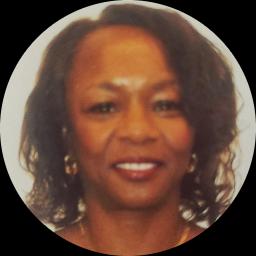
About Valenta
Dr. Valenta Ward-Gravely helps people cope with stress, anxiety, addiction, grief, and relationship strains. She also supports concerns related to ADHD, trauma and abuse, intimacy, eating and sleeping, self-esteem, career changes, and compassion fatigue.
Dr. Ward-Gravely is based in Ohio and holds the LPCC credential, bringing twenty years of experience to her work. Her style is straightforward and warm.
Sessions focus on what the person wants to change and practical steps to get there.
Background and approach
She listens first, then helps clients set small, doable goals. Many conversations include strategies to manage symptoms day to day and to improve communication with others. She uses a mix of approaches to match each person's needs.
Cognitive Behavioral Therapy (CBT) is used to spot unhelpful thoughts and try new behaviors. Client-Centered Therapy guides sessions around the client's priorities and pace. Mindfulness and Motivational Interviewing are added when people want tools for stress, habit change, or increased motivation.
Dr. Ward-Gravely has worked with people from diverse cultural backgrounds and with neurodivergent clients. She pays attention to how culture, identity, and life stage shape problems and solutions.
Her work also includes issues like adoption and foster care, aging concerns, attachment, and process addictions. People who choose her can expect clear communication, step-by-step plans, and regular reassessment of goals. The focus is on building skills that fit a client's everyday life and on practical progress over time.
Online approaches that match your goals
Dr. Ward-Gravely often combines Cognitive Behavioral Therapy and Client-Centered Therapy in online work. CBT helps people identify and change unhelpful thoughts and behaviors with practical exercises and homework. Client-Centered Therapy keeps sessions focused on the client's priorities, using empathetic listening to guide the pace and topics discussed.She may also use Mindfulness Therapy to teach simple awareness and stress-management practices that can reduce reactivity and improve sleep or focus. Finding the best approach is collaborative - the therapist and client discuss goals, try methods, and adjust the plan as progress is seen.
Online formats include video calls, phone sessions, live chat, and text-based messaging. Video is useful for deeper conversations and seeing nonverbal cues. Phone sessions work well when bandwidth is limited or a shorter check-in is needed. Live chat and messaging are helpful for brief updates, homework check-ins, and when written reflection feels easier. These options make it simpler to fit consistent support into a busy life.
Questions people ask
What concerns does she address?
How would you describe her therapeutic style?
What kind of professional background does she have?
What credentials and location are listed?
Which languages and international options are available?
What session formats are offered?
How does pricing work?
How do I begin working together?
What this counselor works with
Most often
- Stress, Anxiety
- Addictions
- Relationship issues
Also listed
- ADHD
- Adoption and foster care
- Aging and geriatric issues
- Anger management
- Attachment issues
- Autism and Asperger Syndrome
- Career difficulties
- Coaching
- Communication problems
- Compassion fatigue
- Coping with life changes
- Depression
- Domestic violence
- Drug and alcohol addiction
- Eating disorders
- Family conflicts
- Family problems
- Grief
- Hearing impaired
- Intellectual disability
- Intimacy-related issues
- Jealousy
- LGBT
- Multicultural concerns
- Obsessions, compulsions, and OCD
- Parenting issues
- Prejudice and discrimination
- Process addiction (porn, exercise, gambling)
- Seasonal Affective Disorder (SAD)
- Self esteem
- Sleeping disorders
- Trauma and abuse
- Traumatic brain injury
- Women's issues
- Young adult issues
Therapeutic approaches
- Experience
- 20 years
- Licensed
- Ohio
- Languages
- English