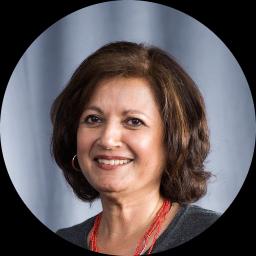
About Uzma
Uzma Ahmad uses a strength-based approach to guide people through stress, anxiety, grief, and relationship concerns. She is a Licensed Professional Counselor and a Licensed Mental Health Counselor with 25 years of experience. Her style is direct and compassionate, focusing on practical steps people can use right away.
She helps people untangle difficult emotions linked to trauma and abuse, including sexual abuse and post-traumatic stress. Parenting challenges, cultural and generational conflicts, and issues around attachment and abandonment are also common topics she addresses.
Background and approach
Sessions aim to build a trusting relationship where thoughts and feelings can be shared without fear of judgment. In sessions she works with clients to identify strengths and small, achievable goals. Conversations often include improving communication, setting boundaries, and reducing overwhelming symptoms.
She encourages self-compassion and explores how past experiences shape present choices. Her background includes teaching psychology at the university level, which informs how she explains concepts and offers practical strategies. The combination of clinical work and teaching leads to clear explanations and tools people can practice between sessions.
Uzma conducts work in English and in Hindi, Punjabi, and Urdu when needed. She practices from Washington and brings long-term experience to each interaction. Signing up for therapy is framed as a courageous step, and she focuses on supporting and empowering people through that process.
Evidence-Based Techniques and Online Care
Uzma draws on evidence-based therapeutic techniques delivered with a strength-based lens. One approach focuses on identifying personal strengths and using them to set small, manageable goals that reduce anxiety and improve daily functioning. This helps when stress or worry gets in the way of routine life tasks.Another approach centers on trauma-informed work that addresses traumatic memories and the ways they affect relationships and daily mood. The work involves pacing conversations, building coping skills, and gradually processing difficult experiences to reduce their hold on present life.
Choosing the right approach is a collaborative process. The therapist will talk through options, consider the client's history and goals, and adjust methods over time so the plan fits changing needs. Clients are invited to share preferences and give feedback about what is helpful.
Online formats include video calls, phone sessions, live chat, and text-based messaging. Video works well for deeper conversations and skill demonstrations. Phone sessions can be easier when bandwidth or screen time is limited. Live chat and text messaging are useful for shorter check-ins, real-time support between sessions, and practicing new communication skills. These options make it easier to fit therapy into a busy life and maintain continuity over time.
Questions people ask
What concerns does she commonly help with?
How would you describe her therapeutic style?
What is her experience and background?
What credentials and location are listed?
Which languages are supported in sessions?
What session formats are available?
How are costs handled?
How do I begin working with her?
What this counselor works with
Most often
- Stress, Anxiety
- Relationship issues
- Trauma and abuse
Also listed
- Experience
- 25 years
- Licensed
- Washington, Oregon
- Languages
- English, Hindi, Punjabi, Urdu