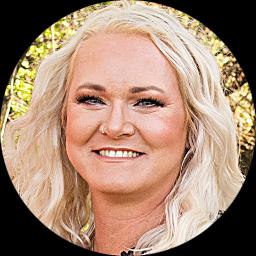
About Tonya
Tonya Porter helps people manage stress, anxiety, trauma, grief, low self-esteem, and depression. She aims to make beginning therapy feel manageable and direct. Tonya emphasizes a strengths-based view and respects each person’s experience as the guide for change.
She has eight years of professional experience and holds KS LCPC and UT LCMHC credentials. Tonya listens for what matters most to a person and focuses on practical steps that fit daily life.
Background and approach
Sessions tend to center on clear goals and small, doable actions rather than long abstract talks. Tonya works with issues that often appear together, such as panic symptoms, mood struggles, and trouble with self-worth. She also addresses challenges around attachment, abandonment, body image, and sexuality.
Conversations often include ways to reduce impulsivity, handle guilt or shame, and rebuild trust in oneself. Her approach is collaborative. She believes people know their stories best and combines that insight with structured support.
That can mean practicing new communication skills, revisiting painful events at a manageable pace, or identifying habits that undercut well-being. People who choose her can expect a calm, goal-focused style and straightforward feedback. Tonya supports clients as they try new strategies and track small changes over time.
She helps people move toward clearer purpose, better coping, and more self-compassion.
How evidence-based methods translate to online therapy
Tonya uses evidence-based therapeutic techniques that focus on practical change. One common approach helps people learn skills to manage anxiety and panic by practicing breathing, grounding, and step-by-step exposure to feared situations. Another frequently used approach involves processing reactions to trauma at a manageable pace while teaching coping tools to reduce intense symptoms. These approaches aim to build skills people can use outside of sessions to feel steadier day to day.Choosing the right approach is part of the work together. The therapist will review needs, goals, and preferences and then tailor methods that suit the person. That decision is collaborative and can change as progress is made or goals shift.
Online therapy offers several practical benefits for this work. Video calls allow face-to-face conversation and visual cues, while phone sessions can be easier when bandwidth is low or a shorter check-in is needed. Live chat and text messaging make it simple to do brief check-ins, get reminders of coping steps, or continue work between longer sessions. These options give flexibility for fitting therapy into busy schedules and different lifestyles.
Questions people ask
What concerns does Tonya commonly address?
What is her general approach in sessions?
How much experience does she have?
What credentials and location are listed for her?
Which languages are supported and can international clients work together?
In what formats are sessions offered?
How is cost handled for sessions?
How do I begin the process with her?
What this counselor works with
Most often
Also listed
- Experience
- 8 years
- Licensed
- Utah, Kansas
- Languages
- English