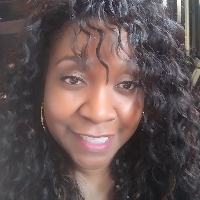
About Tonya
Tonya Pleasant greets people with a calm, practical approach. She helps individuals who are juggling stress, anxiety, relationship struggles, parenting strain, grief, or changes in life direction. She listens first and focuses on small, workable steps that fit into busy days.
With 25 years of work in counseling and mental health, Tonya brings steady experience to each session. She trained at the University of Maryland, College Park, earning a master’s in Rehabilitation Counseling and a bachelor’s in Family Therapy and Community Development.
Background and approach
She holds MD and LCPC credentials, which are noted here as provided. Her sessions prioritize clear, straightforward tools. She uses Cognitive Behavioral Therapy to look at how thoughts influence behavior and coping.
She also draws on Acceptance and Commitment Therapy and Emotionally-Focused ideas to help people notice values and strengthen important relationships. Tonya offers practical skills for sleep problems, eating concerns, anger, addiction-related patterns, and compassion fatigue. She helps people work through caregiver stress, communication struggles, divorce and separation, and finding life purpose.
She pays attention to self-love, women’s issues, young adult concerns, and seasonal mood shifts. In meetings she listens, suggests coping techniques, and tracks progress side by side with each client. The work aims for measurable changes and clearer next steps.
Sessions are offered in English and take place with attention to what will realistically fit a person’s life.
How these approaches work in online sessions
Acceptance and Commitment Therapy (ACT) helps people notice what matters most and take small, value-driven steps even when hard feelings are present. It is useful for stress, anxiety, and making life changes. Cognitive Behavioral Therapy (CBT) focuses on identifying unhelpful thoughts and testing them with concrete behavior changes to reduce symptoms like worry, low mood, or sleep disruption. Emotionally-Focused Therapy (EFT) centers on patterns in close relationships and helps people express needs and respond differently to strengthen connections.Finding the right approach is part of the work together. The therapist will talk with a client about goals, try methods that fit their needs, and adjust plans based on what helps. That collaborative process makes it easier to pick techniques that a person can use between sessions.
Online sessions are offered by video call, phone, live chat, or text-based messaging to make scheduling easier. Video mirrors an in-person conversation, while phone can be quicker and lower bandwidth. Live chat and text messaging are useful for short check-ins, skills practice, or when typing fits someone’s routine. These options aim to add flexibility so therapy fits into work, caregiving, or school schedules.
Questions people ask
What concerns does Tonya commonly address?
How would you describe her therapeutic style?
What kind of experience does she bring?
What credentials and location are listed for her?
In which languages are sessions offered?
What session formats are available?
How is cost handled for sessions?
How do I begin working with her?
What this counselor works with
Most often
- Stress, Anxiety
- Family conflicts
- Parenting issues
Also listed
- Addictions
- Anger management
- Career difficulties
- Caregiver issues and stress
- Communication problems
- Compassion fatigue
- Coping with life changes
- Depression
- Divorce and separation
- Eating disorders
- Forgiveness
- Grief
- Intimacy-related issues
- Life purpose
- Relationship issues
- Seasonal Affective Disorder (SAD)
- Self esteem
- Self-love
- Sleeping disorders
- Women's issues
- Young adult issues
Therapeutic approaches
- Experience
- 25 years
- Licensed
- Maryland
- Languages
- English