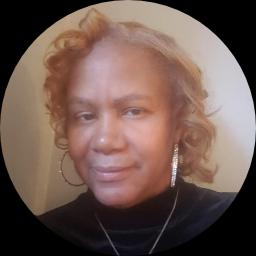
About Toni
Dr. Toni Monroe combines a warm, client-focused style with practical tools developed over a 30-year career. She is an LPC licensed in Georgia who helps people manage stress, anxiety, depression, and the effects of trauma and addiction.
Her approach is respectful and straightforward, aimed at helping people take the next steps in their lives. In sessions she listens first and then tailors conversations to what matters most to each person.
Background and approach
That can mean short-term strategies to lower anxiety or a longer plan for working through trauma and substance issues. She also focuses on problems like anger, low self-esteem, life changes, and questions about career and purpose. Dr.
Monroe uses methods drawn from client-centered therapy and cognitive behavioral techniques to help people notice patterns and try different ways of responding. She also draws on dialectical behavior therapy skills and mindfulness practices to teach breathing, emotion regulation, and distress-tolerance tools. Her work includes attention to attachment and abandonment concerns, caregiver stress, communication and control issues, and recovery after separation or loss.
She supports people dealing with guilt, shame, isolation, and first responder stress, as well as those affected by HIV/AIDS. Sessions are offered in English and are available to international clients. The first steps are simple: choose the Start Therapy button, complete a short matching questionnaire, and schedule according to the therapist's availability.
Practical approaches for online emotional work
Dr. Monroe commonly uses client-centered therapy and cognitive behavioral therapy in online sessions. Client-centered work focuses on listening and reflecting back what matters to the person, helping them feel heard and understood so they can decide what changes to try. Cognitive behavioral therapy looks at thinking and behavior patterns and teaches concrete skills to reduce anxiety, manage mood, and change unhelpful habits.She also uses dialectical behavior therapy skills and mindfulness practices when people need tools for emotional regulation and distress tolerance. Those methods teach breathing, grounding, and step-by-step ways to handle intense emotions and urges without acting on them. Deciding which approach to use is collaborative; the therapist will help figure out the best fit based on goals, current struggles, and personal preferences.
Online sessions are offered via video calls, phone sessions, live chat, or text-based messaging to match different lifestyles. Video calls support face-to-face conversation for deeper work, phone sessions are useful when bandwidth is limited, and live chat or text messaging can fit short check-ins or busy schedules. These options make it easier to keep therapy consistent while fitting it into day-to-day life.
Questions people ask
What kinds of problems does this therapist address?
What is the therapist's general style and approach?
How much experience does the therapist have?
Where is the therapist licensed and practicing?
Which languages are supported for sessions?
What session formats are available?
How does cost and payment work?
How do I begin working with this therapist?
What this counselor works with
Also listed
- Abandonment
- Anger management
- Attachment issues
- Career difficulties
- Caregiver issues and stress
- Coaching
- Communication problems
- Control issues
- Coping with life changes
- Depression
- Divorce and separation
- First responder issues
- Forgiveness
- Guilt and shame
- HIV / AIDS
- Isolation / loneliness
- Life purpose
- Post-traumatic stress
- Self esteem
- Social anxiety and phobia
- Women's issues
Therapeutic approaches
- Experience
- 30 years
- Licensed
- Georgia
- Languages
- English