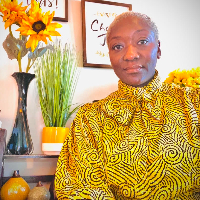
About Tarsha
Tarsha Washington is a Licensed Professional Counselor who helps people facing stress, anxiety, depression, mood disorders, and trauma. She works with concerns like parenting, grief, anger, relationship struggles, ADHD, and changes in life circumstances. She speaks plainly and focuses on what you want to work on.
Tarsha uses a person-centered way of working. That means conversations focus on the client's goals and choices. She aims to meet people with warmth, respect, and acceptance so they feel safe to talk about hard things.
Background and approach
She also draws on practical methods from cognitive behavioral therapy to spot unhelpful thinking and try new behaviors. Dialectical behavior skills are used when emotional regulation and distress tolerance are priorities. Motivational interviewing helps when someone feels stuck or unsure about change.
Her background is in social work and counseling, with many years in social services and about eight years providing therapy as an LPC in South Carolina. That mix of experience shapes a down-to-earth style that combines listening with clear, usable strategies. In sessions she focuses on communication problems, control issues, guilt and shame, impulsivity, isolation, and finding purpose.
The work is collaborative: she listens, offers tools, and helps people practice skills between meetings.
How therapeutic approaches translate to online care
Client-Centered Therapy focuses on listening, acceptance, and following the client's lead to help them make decisions and build self-direction. In an online session this means the therapist mirrors what matters to the client and helps them set the pace for change.Cognitive Behavioral Therapy (CBT) looks at how thoughts, feelings, and actions connect, then uses exercises to test new ways of thinking and behaving. Online CBT can include worksheets, short experiments to try between sessions, and focused work on problem areas like anxiety or low mood.
Finding the right approach is part of the work together. The therapist will discuss goals, preferences, and what feels most useful, then try methods that match those needs. Clients and the therapist make adjustments as they learn what helps most.
Online formats offer practical benefits. Video calls let people work face to face without travel. Phone sessions can be easier when bandwidth is limited or a shorter check-in is needed. Live chat and text messaging are useful for quick check-ins, homework feedback, or when typing out thoughts feels easier than speaking. These options make scheduling more flexible and help therapy fit into busy lives.
Questions people ask
What kinds of problems does she help with?
What is her approach in sessions?
How much experience does she bring?
Where does she practice and what credential does she hold?
Can I see a therapist in another language or from another country?
What session formats are available?
How is cost handled for sessions?
How do I begin working with her?
What this counselor works with
Most often
- Family conflicts
- Trauma and abuse
- Anger management
Also listed
- ADHD
- Bipolar disorder
- Career difficulties
- Communication problems
- Control issues
- Coping with life changes
- Depression
- Forgiveness
- Grief
- Guilt and shame
- Impulsivity
- Isolation / loneliness
- Life purpose
- Mood disorders
- Narcissism
- Parenting issues
- Post-traumatic stress
- Relationship issues
- Self esteem
- Self-love
- Social anxiety and phobia
- Stress, Anxiety
Therapeutic approaches
- Experience
- 8 years
- Licensed
- South Carolina
- Languages
- English