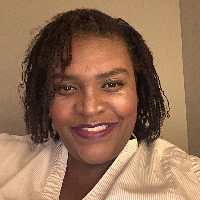
About Tameca
Tameca Reed provides therapy using a person-centered approach that puts each client's perspective first. She is a Licensed Professional Counselor (LPC) based in Georgia and focuses on helping people manage common concerns like stress, anxiety, depression, relationship strain, grief, and parenting challenges. Her style aims to be warm and inviting to make it easier to start talking.
With nine years of professional experience, she draws on methods from client-centered therapy, cognitive behavioral techniques, dialectical behavior strategies, and mindfulness practices.
Background and approach
Sessions tend to focus on practical tools for coping with life changes, building self-esteem, improving communication, and handling anger or isolation. She uses the client's own goals to shape the work together. Tameca emphasizes compassion and presence in sessions.
She listens for what matters most, then helps people try small experiments and skills that can change daily routines. That may include simple mindfulness exercises, thought-focused strategies, or grounding techniques for strong emotions. She also addresses issues such as caregiver stress, abandonment concerns, forgiveness, guilt and shame, and questions about life purpose.
Relationship topics include communication problems, divorce and separation, fatherhood issues, and non-monogamous relationship dynamics. The aim is to connect people with coping techniques and resources that fit their daily life. Tameca encourages collaboration so clients feel involved in planning the work.
She will help identify priorities, track progress, and adjust strategies as needed. The overall goal is practical relief and clearer steps forward.
Approaches and how they work online
Client-centered therapy focuses on the person in the room. It means the therapist listens closely and follows the client's priorities, helping people feel heard and understood while they set goals. Cognitive Behavioral Therapy, or CBT, looks at thoughts and behaviors together and teaches concrete skills to reduce anxiety, manage mood, and change unhelpful patterns.Finding the right approach is part of the work. The therapist will talk with the client about goals, try strategies, and adjust as needed. This is a collaborative process where the client helps decide what feels most useful and practical for daily life.
Online formats offer practical flexibility. Video calls allow face-to-face conversation when visual cues are helpful. Phone sessions can be easier when video would use too much bandwidth or when a shorter check-in is needed. Live chat and text-based messaging let people share between sessions or use written check-ins when typing feels more natural. These options make it easier to fit therapy into busy schedules and to continue work across different settings.
Questions people ask
What types of concerns does this therapist address?
What is the therapy style like in sessions?
How much experience does she have?
What credentials and location should I know about?
Which languages are supported for sessions?
What session formats are available online?
How is payment or cost handled?
How do I begin working with this therapist?
What this counselor works with
Most often
- Stress, Anxiety
- Relationship issues
- Family conflicts
Also listed
- Abandonment
- Anger management
- Caregiver issues and stress
- Communication problems
- Coping with life changes
- Depression
- Divorce and separation
- Family problems
- Fatherhood issues
- Forgiveness
- Grief
- Guilt and shame
- Isolation / loneliness
- LGBT
- Life purpose
- Parenting issues
- Polyamory / non-monogamous relationships
- Self esteem
- Social anxiety and phobia
Therapeutic approaches
- Experience
- 9 years
- Licensed
- Georgia
- Languages
- English