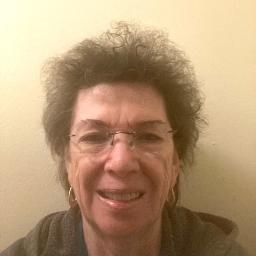
About Susan
Dr. Susan Wise offers support for stress, anxiety, depression, relationship strains, addictions, sleep problems, parenting stress, career challenges, and compassion fatigue. She also pays attention to LGBT concerns and multicultural issues.
She welcomes people coping with hoarding, hospice and end-of-life matters, jealousy, and veteran or armed forces issues. Dr. Wise is a Licensed Professional Counselor in Missouri with 16 years of experience.
Her approach is straightforward and practical. She listens first, then helps people set small, doable goals.
Background and approach
Sessions focus on skills you can use between visits and on understanding the patterns that keep problems going. She draws from several evidence-based methods, including cognitive behavioral ideas, acceptance and commitment techniques, and attachment-informed work. That lets her match tools to what each person needs rather than using a one-size-fits-all plan.
Conversations are tailored to the person in front of her. Expect a respectful, nonjudgmental tone and steps you can try right away. People often come for relief from overwhelming feelings, clearer relationships, or help managing addictive behaviors.
Dr. Wise also uses strategies from dialectical behavior work and client-centered methods when helpful. Over time she helps people build routines, safer habits, and stronger ways to cope with stress and life transitions.
How therapeutic approaches translate to online sessions
Acceptance and Commitment Therapy (ACT) helps people notice painful thoughts without getting stuck in them and then commit to actions that match their values. It can be useful for anxiety, depression, and lingering avoidance. Cognitive Behavioral Therapy (CBT) focuses on identifying unhelpful thinking and testing new behaviors to reduce symptoms like worry or low mood. It’s practical and often emphasizes homework between sessions. Attachment-Based Therapy looks at patterns in close relationships and helps people build steadier ways of relating when past patterns cause pain.Choosing the right approach is collaborative. The therapist will review your concerns, goals, and preferences and then suggest a mix of methods that fit. That plan can change over time based on what helps you make steady progress.
Online sessions are offered by phone, video calls, live chat, or text-based messaging to increase flexibility. Video calls let you use body language and visual cues, phone sessions work well when bandwidth is limited, live chat can be a brief check-in, and text can support ongoing tracking or quick support between meetings. These options make it easier to schedule appointments, fit therapy around work or caregiving, and try different formats to find what feels most helpful.
Questions people ask
What kinds of concerns can be addressed?
What is her therapeutic style like?
How much clinical experience does she bring?
Where is she licensed and practicing?
Which languages are offered for sessions?
What formats are available for sessions?
How are fees and billing handled?
How does someone begin working with her?
What this counselor works with
Most often
Also listed
- Career difficulties
- Compassion fatigue
- Depression
- Hoarding
- Hospice and end-of-life counseling
- Jealousy
- Multicultural concerns
- Parenting issues
- Relationship issues
- Sleeping disorders
- Veteran and Armed Forces Issues
Therapeutic approaches
- Experience
- 16 years
- Licensed
- Missouri
- Languages
- English, Esperanto