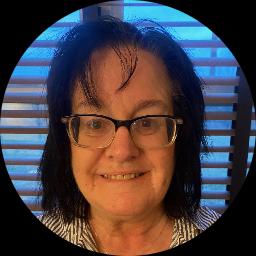
About Susan
Susan Etter is a licensed counselor who helps people feeling overwhelmed by stress, anxiety, depression, or the aftermath of trauma. She brings 15 years of clinical experience and a direct, calm approach to conversations about mental health. Her work is practical and goal-focused, aimed at helping people get through painful moments and build steadier day-to-day routines.
She often supports people struggling with self-esteem, confidence, and motivation. Susan also helps individuals cope with life changes and relationship-related struggles such as attachment concerns, communication problems, and feelings of abandonment.
Background and approach
Issues like guilt, shame, isolation, and questions about life purpose are common topics in her sessions. Susan creates a respectful space where thoughts and feelings can be named without judgment. She listens for patterns that keep people stuck and helps them try different ways of responding.
The emphasis is on concrete steps clients can practice between sessions to build momentum. Her credentials include LCPC (Licensed Clinical Professional Counselor) and LPC (Licensed Professional Counselor), and she is licensed in Illinois and Wisconsin. Those licenses reflect years of clinical work and supervision during her career.
People who choose Susan can expect practical conversation, steady guidance, and encouragement to try small changes. She supports each person at their own pace and helps them set realistic goals for managing symptoms and improving daily life.
How evidence-based tools translate to online therapy
Many evidence-based techniques involve identifying unhelpful thoughts and building new habits. One useful approach teaches people to notice and challenge negative thinking, then replace it with more helpful, realistic ideas. This can reduce anxiety and improve mood by changing how situations are interpreted. Another common method focuses on coping skills and emotion regulation, teaching concrete strategies to manage strong feelings, practice self-soothing, and build daily routines that reduce overwhelm.Finding the right mix of approaches is part of the work. The therapist collaborates with each person to test methods that fit their goals and preferences. Together they adjust techniques over time so sessions match changing needs and produce practical, usable results.
Online formats make that collaboration flexible. Video calls allow face-to-face conversation and visual cues. Phone sessions can be a good option when bandwidth is limited or when someone prefers not to be on camera. Live chat and text-based messaging are useful for brief check-ins, quick coping reminders, and ongoing support between longer sessions. These options help people fit therapy into their daily life and sustain progress without rigid scheduling.
Questions people ask
What concerns does she commonly address?
What is her therapeutic approach like?
How long has she been practicing?
What credentials and location are listed?
Which languages are supported for sessions?
What session formats are available?
How are fees and billing handled?
How do I begin working with her?
What this counselor works with
Also listed
- Experience
- 15 years
- Licensed
- Illinois, Wisconsin
- Languages
- English