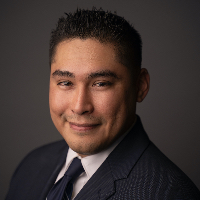
About Silvestre
Silvestre Rubio greets people who are feeling overwhelmed by stress, anxiety, depression, substance use, relationship problems, or grief. He acknowledges how hard it is to ask for help and offers steady support while people work toward clearer days. He uses plain, practical work in sessions.
He starts by building trust so people can speak openly without judgment. Early sessions focus on learning tools and coping skills to manage symptoms right away.
Background and approach
Over time he and the client look deeper at patterns that keep problems coming back. Silvestre draws on client-centered methods to follow each person's pace and priorities. He also uses cognitive behavioral techniques to identify unhelpful thoughts and replace them with more useful ways of thinking.
Mindfulness strategies are taught to help with stress, panic, and emotional regulation. With eight years of experience, he brings a steady, patient style to therapy. He emphasizes realistic goals and small steps that add up to change.
He encourages people to balance immediate relief with longer-term exploration so improvements last. Silvestre holds a Master’s degree in Clinical Psychology and is a Licensed Professional Counselor in Texas. He offers services in English and works with people facing mood disorders, trauma, addiction, work stress, parenting strain, and questions about life purpose.
He accepts international clients and provides sessions online in multiple formats.
How his approaches translate to online therapy
Silvestre uses client-centered work to follow what matters most to each person, creating space for them to set pace and goals. This approach helps when someone needs a safe, nonjudgmental place to talk through life stressors and relationship concerns.He also incorporates cognitive behavioral therapy, a hands-on method that identifies unhelpful thoughts and teaches practical skills to change them. CBT is often used for anxiety, depression, panic, and mood shifts because it gives clear steps people can practice between sessions.
Finding the right approach is a collaborative process. He will talk with the person about their goals, try techniques that fit their preferences, and adjust the plan as needed. The emphasis is on working together so the approach actually feels useful in day-to-day life.
Online sessions are offered by video calls, phone sessions, live chat, or text-based messaging to make therapy more flexible. Video is useful for in-depth conversations and skill work. Phone can be easier when bandwidth is limited or when someone prefers not to be on camera. Live chat and text messaging allow quick check-ins, brief skill practice, or ongoing support between longer sessions. These options help people fit therapy into work, family, and travel schedules while still getting focused clinical care.
Questions people ask
What concerns does he help with?
What is his general approach in sessions?
How much experience does he have?
What credentials does he hold and where is he based?
Which languages are offered for sessions?
Can people from other countries work with him?
What session formats are available?
How do fees and getting started work?
What this counselor works with
Most often
- Stress, Anxiety
- Addictions
- Relationship issues
Also listed
- Anger management
- Bipolar disorder
- Career difficulties
- Co-morbidity
- Codependency
- Communication problems
- Compassion fatigue
- Coping with life changes
- Depression
- Drug and alcohol addiction
- Family conflicts
- Family problems
- Grief
- Intimacy-related issues
- Isolation / loneliness
- Life purpose
- Men's issues
- Mood disorders
- Panic disorder and panic attacks
- Parenting issues
- Post-traumatic stress
- Self esteem
- Self-love
- Sleeping disorders
- Trauma and abuse
- Workplace issues
- Young adult issues
Therapeutic approaches
- Experience
- 8 years
- Licensed
- Texas
- Languages
- English