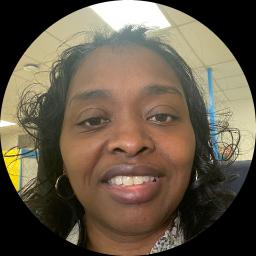
About Shaterrika
Shaterrika Williams is a licensed professional counselor practicing in Louisiana with 16 years of experience. She centers her work on practical support for people facing relationship strain, family problems, low self-esteem, ADHD, and big life changes. Her approach is direct and respectful: she helps clients build on strengths they already have.
Seeking help is a first step, and she aims to make that step feel manageable. Shaterrika uses plain talk and clear goals during sessions.
Background and approach
She listens first, then helps people try small changes that can shift day-to-day life. Conversations focus on what matters most to each person and on actions that fit their routine. Sessions can include skill-building for emotion regulation and problem solving.
Her practice addresses a wide range of situations like chronic illness, fertility concerns, codependency, and pregnancy and childbirth stress. She also works with people navigating veteran and armed forces issues and multicultural concerns. When self-harm thoughts come up, she responds with careful planning and support.
Shaterrika combines client-centered work with cognitive behavioral techniques and elements of dialectical behavior therapy. That mix lets her tailor sessions to practical needs while keeping a steady, compassionate tone. She treats each person as the expert on their own life and partners with them on concrete steps forward.
People meet with her to sort through problems, set realistic goals, and practice new habits. Her style is collaborative and focused on usable tools rather than abstract labels.
How her approaches work online
Shaterrika often blends client-centered therapy with cognitive behavioral tools to make online sessions practical and focused. Client-centered therapy means she follows the person's concerns, listens closely, and helps them use their own strengths to solve problems. Cognitive behavioral therapy focuses on spotting unhelpful thinking and testing small behavior changes to improve mood and relationships.She also draws on dialectical behavior therapy skills when strong emotions or intense relationship conflicts come up. DBT-based skills teach distress tolerance, emotion regulation, and clearer communication, which can help during big life transitions or when feeling overwhelmed. Choosing the right mix of methods is a shared decision; she will work together with each person to find what fits their goals and pace.
Online sessions are offered via video calls, phone sessions, live chat, or text-based messaging to match different needs. Video sessions allow face-to-face conversation and visual cues. Phone sessions can be easier when bandwidth is limited or a quieter check-in is needed. Text and chat formats let people send messages between sessions or have shorter, flexible touchpoints. These options make therapy more accessible and easier to fit into busy schedules while keeping the focus on useful skills and steady progress.
Questions people ask
What concerns does she commonly address?
What is her therapy style like?
How much experience does she have?
What credentials and region should I know about?
Which languages are available for sessions?
What formats are used for sessions?
How are sessions priced?
How do I get started with her?
What this counselor works with
Most often
- Relationship issues
- Family conflicts
- Self esteem
Also listed
Therapeutic approaches
- Experience
- 16 years
- Licensed
- Louisiana
- Languages
- English