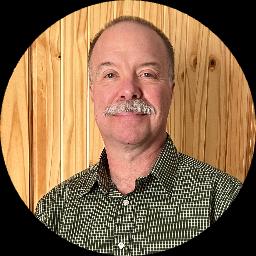
About Scott
Scott Wetherhold offers short, direct support for people feeling overwhelmed by stress, anxiety, or big life changes. He meets clients where they are and helps them name what feels hardest. Conversations focus on practical steps for coping and clearer next moves.
Scott is a Licensed Professional Counselor - LPC and a Licensed Mental Health Counselor - LMHC with five years of clinical experience. He works with issues such as depression, trauma and abuse, panic attacks, grief, and addictions.
Background and approach
He also pays attention to challenges like caregiver stress, compassion fatigue, and career strain. In sessions he uses straightforward, evidence-based methods so people can try different tools and see what helps. He draws on Acceptance and Commitment Therapy, cognitive behavioral ideas, client-centered listening, existential questions about meaning, and EMDR for trauma work.
Conversations often include skill practice, values clarification, and processing painful memories. Scott describes his room as collaborative and calm. He aims to help people rebuild confidence, improve communication, and reconnect with purpose.
That may mean short-term focus on symptoms or longer work on life direction depending on each person’s needs. He offers services from Georgia and conducts sessions in English. Scott accepts international clients and uses multiple online formats to make scheduling easier.
To begin, prospective clients complete a short matching questionnaire and then schedule sessions based on availability.
Online approaches that meet you where you are
Acceptance and Commitment Therapy (ACT) focuses on clarifying personal values and accepting difficult thoughts while taking action toward what matters. It is useful for anxiety, depression, and life changes when people want values-driven direction. Cognitive Behavioral Therapy (CBT) looks at the links between thoughts, feelings, and behaviors and teaches practical skills to shift unhelpful patterns. It often helps with panic attacks, social anxiety, and mood challenges. Eye Movement Desensitization and Reprocessing (EMDR) offers a trauma-focused method to process distressing memories and reduce their hold on daily life.Finding the right approach is a collaborative process. Scott will talk through your goals and preferences, suggest methods that might fit, and adjust the plan as you try different techniques. The aim is to pick approaches that match your needs and to move at a pace that feels manageable.
Online therapy makes it easier to fit sessions into busy lives. Video calls let you use face-to-face work and guided exercises. Phone sessions can be a good option when bandwidth is limited or when you prefer not to be on camera. Live chat and text-based messaging provide brief check-ins, homework support, or a low-pressure way to stay consistent between sessions. These options help with flexibility, reduce travel time, and let you maintain regular contact with licensed professionals.
Questions people ask
What concerns does Scott help with?
What is his therapy style like?
How much clinical experience does he have?
What credentials and location are listed?
Can I work with him if I live outside the U.S.?
Which session formats are available?
How are costs handled?
How do I begin working with him?
What this counselor works with
Also listed
- Addictions
- Anger management
- Career difficulties
- Caregiver issues and stress
- Communication problems
- Compassion fatigue
- Coping with life changes
- Depression
- Family conflicts
- First responder issues
- Forgiveness
- Grief
- Guilt and shame
- Isolation / loneliness
- Life purpose
- Men's issues
- Midlife crisis
- Panic disorder and panic attacks
- Post-traumatic stress
- Relationship issues
- Self-love
- Sexual assault and abuse
- Social anxiety and phobia
Therapeutic approaches
- Experience
- 5 years
- Licensed
- Florida, Georgia, Colorado, Virginia
- Languages
- English