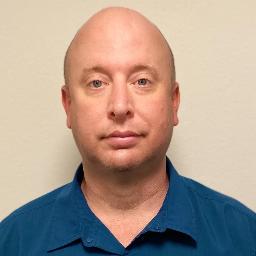
About Russ
Russ Sanders is a Licensed Professional Counselor with 11 years of experience based in Georgia. He holds a master’s degree in psychology and focuses on helping people manage stress, anxiety, mood concerns, grief, and issues related to addiction. He approaches work with curiosity and respect, meeting people where they are without judgment.
He values clear, practical work in sessions. He encourages mindful awareness and helps clients notice patterns that get in the way of daily life.
Background and approach
He also draws on existential ideas to help people find personal meaning during times of change. Russ has experience with individual and group formats, and he has supported people dealing with substance use and overlapping mental health conditions. He also has training as a grief counselor and helps people navigate loss and complicated mourning processes.
Sessions are conversational and goal-oriented, with attention to the client’s immediate needs and longer-term questions about identity and purpose. He uses acceptance and commitment strategies alongside client-centered listening to help people make values-based choices. People who come to Russ often want straightforward tools and a respectful, calm presence during hard moments.
He works to provide practical steps for coping, clearer ways to relate to difficult feelings, and space to consider what matters most going forward.
Approach-driven care for online sessions
Russ uses Acceptance and Commitment Therapy to help people notice unhelpful thoughts and commit to actions that match their values. ACT is about accepting uncomfortable feelings while taking steps toward a life that matters to the individual.He also uses Client-Centered Therapy, which emphasizes listening, empathy, and working at the client’s pace. This approach helps people feel heard and understood while they consider personal goals and changes.
Finding the right approach is part of the work together. Russ will talk with each person about their goals, preferences, and what feels most useful. He adapts methods over time so the plan fits the person rather than forcing a single style.
Online formats include video calls, phone sessions, live chat, and text-based messaging to fit different needs. Video sessions are useful for face-to-face conversation and visual cues. Phone work can be a good option when bandwidth is limited or a shorter check-in is needed. Live chat and text messaging allow for flexible, ongoing support between sessions and can help people stay connected when schedules are tight.
These formats make it easier to keep therapy consistent around work, family, and travel while working with a licensed professional in Georgia.
Questions people ask
What concerns does he commonly address?
What is his general therapeutic style?
How long has he been practicing?
What are his credentials and where is he located?
Can sessions be conducted in languages other than English?
What session formats are available?
How are fees and billing handled?
How do I begin working with him?
What this counselor works with
Most often
Also listed
- Abandonment
- Attachment issues
- Bipolar disorder
- Coaching
- Compassion fatigue
- Coping with life changes
- Depression
- Drug and alcohol addiction
- Family conflicts
- Family problems
- Guilt and shame
- Intimacy-related issues
- LGBT
- Midlife crisis
- Mood disorders
- Panic disorder and panic attacks
- Parenting issues
- Postpartum depression
- Relationship issues
- Seasonal Affective Disorder (SAD)
- Self esteem
- Self-love
- Sleeping disorders
- Social anxiety and phobia
- Trauma and abuse
- Workplace issues
- Young adult issues
Therapeutic approaches
- Experience
- 11 years
- Licensed
- Georgia
- Languages
- English