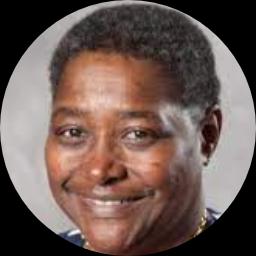
About Romona
Dr. Romona Williams uses a client-centered approach to guide people through life changes. She is a Licensed Professional Counselor with 16 years of experience and focuses on practical steps that fit each person’s life.
She listens for strengths and helps people build on them. Her style is straightforward and supportive, aimed at making progress feel manageable. She often helps people who are facing changes at work, shifts in identity, or struggles with self-esteem.
Background and approach
Anger and career concerns are common topics she addresses with clear, goal-oriented conversations. Sessions focus on what’s happening now and what can be changed next. Motivational Interviewing is part of her toolbox when someone needs help finding motivation or making a difficult decision.
Solution-Focused Therapy complements that by keeping talks short-term and action-oriented, with an eye on concrete next steps. These approaches are used to move people toward goals rather than getting stuck on problems. Dr.
Williams also works with issues like chronic illness, caregiver stress, body image, and isolation. She pays attention to cultural and gender-related concerns and helps people consider practical solutions for money or life purpose questions. Her approach aims to connect values with everyday choices.
People meet with her by phone, video, live chat, or text messaging depending on what fits their schedule. The process begins with a short questionnaire to match needs and preferences, followed by scheduling a time to start talking.
Approaches that translate well to online care
Client-Centered Therapy focuses on the person’s own goals and strengths and lets the conversation follow what matters most to them. It helps people feel heard and respected while they figure out next steps. Motivational Interviewing is a collaborative way to explore ambivalence and build motivation for change, often used when someone wants help deciding on a course of action. Solution-Focused Therapy narrows the conversation to practical, short-term steps and small experiments that can create momentum toward specific goals.Finding the right mix of approaches is part of the work together. The therapist will help identify which methods suit a person’s needs, goals, and preferences and will adjust the plan as progress is made. This keeps therapy collaborative and focused on what actually helps the individual move forward.
Online sessions offer flexibility through video, phone, live chat, or text-based messaging. Video calls allow for face-to-face conversation when that helps connection. Phone sessions use less bandwidth and can fit a break at work. Live chat and text messaging are useful for brief check-ins, quick problem-solving, or when it feels easier to write than speak. These options make it simpler to fit therapy into a busy life and to keep working on goals between sessions.
Questions people ask
What kinds of concerns does she address?
What is her general therapy style?
How much experience does she have?
What credentials and location are listed?
Which languages are available for sessions?
Can international clients work with her?
What session formats are offered?
How do fees and scheduling work?
What this counselor works with
Most often
Also listed
- Aging and geriatric issues
- Anger management
- Body image
- Career difficulties
- Caregiver issues and stress
- Chronic pain, illness, and disability
- Communication problems
- Coping with natural or human-caused disaster
- Isolation / loneliness
- Life purpose
- Midlife crisis
- Money and financial issues
- Multicultural concerns
- Self esteem
- Women's issues
Therapeutic approaches
- Experience
- 16 years
- Licensed
- Michigan
- Languages
- English