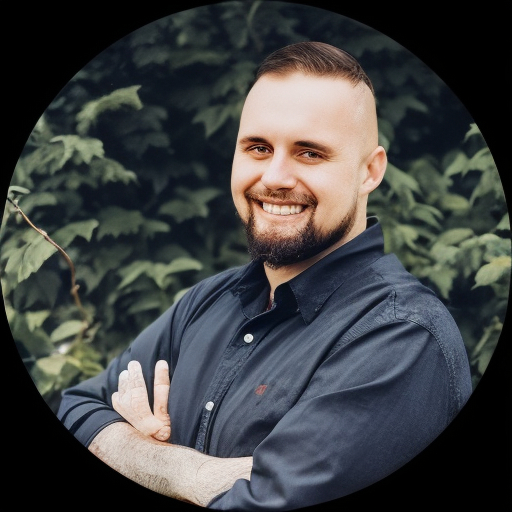
About Robert
Robert Ksiazkiewicz uses practical, evidence-based techniques to help people manage stress, anxiety, addiction, trauma, and grief. He offers straightforward support for life transitions and skill building. Robert holds an LPCC, which is the Ohio Licensed Professional Clinical Counselor credential, and brings eight years of experience to his practice.
In sessions he listens first, then works with each person to pick approaches that fit their situation. Conversations focus on real problems and small steps that can make daily life easier.
Background and approach
He helps people develop coping skills, reduce impulsive behaviors, and address pattern issues like codependency and control struggles. Robert also supports concerns tied to substance use, both single-diagnosis and dual-diagnosis challenges. He assists people dealing with guilt, shame, isolation, and the fallout of trauma or abuse.
Practical tools and repeated skill practice are part of the work, not just talking about feelings. He has experience helping those with first responder and veteran-related stresses, and he talks through problems like fatherhood issues, midlife transition, and finding life purpose. Sessions cover communication problems and relational patterns that leave people feeling stuck.
Robert aims to create a calm, nonjudgmental space where people can regain confidence and try new ways of coping. He focuses on collaboration, clear goal-setting, and steady progress toward things that matter to each person.
Evidence-based approaches and online care options
Robert uses evidence-based therapeutic techniques that focus on practical skill development and behavior change. Cognitive approaches help people identify unhelpful thought patterns and replace them with more constructive ways of thinking, which can ease anxiety and improve decision-making. Behavioral strategies emphasize building steady, repeatable habits and coping routines to reduce impulsivity and manage cravings in addiction recovery.He tailors methods collaboratively, so the specific mix is chosen together based on needs and goals. The therapist and client assess what works, try an approach, and adjust over time to find the best fit for progress and comfort.
Online therapy offers flexible ways to connect. Video calls let people use visual cues and more in-depth conversation. Phone sessions can be easier if bandwidth is limited or a quick check-in is needed. Live chat and text-based messaging allow brief updates, skill reminders, or support between sessions. These formats make it easier to fit therapy into busy schedules and to continue steady work on goals regardless of location.
Questions people ask
What concerns does Robert help with?
How would you describe his approach to therapy?
What background and experience does he bring?
Where is he licensed and based?
In which languages are sessions available?
What session formats are offered?
How are costs handled?
How do I begin working with him?
What this counselor works with
Also listed
- Abandonment
- Coaching
- Codependency
- Communication problems
- Control issues
- Dependent personality
- Drug and alcohol addiction
- Fatherhood issues
- First responder issues
- Grief
- Guilt and shame
- Impulsivity
- Isolation / loneliness
- Life purpose
- Men's issues
- Midlife crisis
- Post-traumatic stress
- Process addiction (porn, exercise, gambling)
- Self-love
- Sexual assault and abuse
- Veteran and Armed Forces Issues
- Experience
- 8 years
- Licensed
- Ohio
- Languages
- English