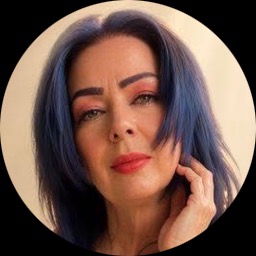
About Rhonda
Rhonda Osei-Bonsu offers direct, practical help for people coping with stress, anxiety, trauma, grief, anger, and depression. She writes plainly and listens closely to figure out what feels most pressing. Sessions focus on building skills that people can use between meetings.
Rhonda is a Licensed Professional Counselor, which informs how she structures sessions and treatment plans. She draws on cognitive-behavioral therapy as a foundation and adds other techniques to suit each person's needs.
Background and approach
Homework, reading suggestions, and activities are often part of the plan so progress continues outside of sessions. Her education includes a Bachelor of Science in Psychology from Regent University and a Master of Arts in Professional Counseling from Liberty University. She also holds a Mental Health/Substance Abuse Prevention Certificate from Eastfield College in Dallas, Texas.
These academic experiences shaped her work with trauma, mood concerns, anxiety, and questions about life purpose and identity. Rhonda’s background includes pastoral counseling, school settings, and suicide prevention work. She has worked in individual, group, and family formats across diverse communities and welcomes discussions that include faith or spirituality when clients want that to be part of care.
Appointments are generally forty-five minutes but may be adjusted as needed. People often begin with a standard intake conversation so Rhonda can learn what matters most and suggest the next steps or referrals if another resource is a better fit.
Evidence-based techniques and flexible online care
Rhonda uses cognitive-behavioral approaches that focus on identifying unhelpful thought patterns and testing new behaviors. This method helps with anxiety, depression, and problems rooted in negative thinking by teaching practical skills to shift reactions and habits.She also incorporates homework, suggested readings, and activities to extend progress between sessions. These tasks help people practice new coping strategies and build supports in everyday life. When relevant, conversations can include faith and spiritual concerns as part of a larger treatment plan.
Choosing the right approach is a collaborative process. Rhonda works with each person to match techniques to their goals, needs, and comfort level. Together they will review what is working and adjust methods over time so care stays focused and useful.
Online therapy options include video calls, phone sessions, live chat, and text-based messaging to fit different routines. Video calls allow face-to-face conversation, phone sessions use less bandwidth, live chat is useful for shorter check-ins, and messaging supports ongoing reflection between scheduled meetings. These formats aim to make it easier to attend sessions and keep therapy consistent.
Questions people ask
What concerns does Rhonda commonly address?
What is her general approach in sessions?
How much experience does she have?
What credentials and location are listed?
Which languages are supported and can she work internationally?
What session formats are available?
How does cost and billing work?
How do I begin working with her?
What this counselor works with
Most often
Also listed
- Anger management
- Antisocial personality
- Body image
- Control issues
- Depression
- Dissociation
- Domestic violence
- Drug and alcohol addiction
- Family problems
- Forgiveness
- Guilt and shame
- Hoarding
- Impulsivity
- Jealousy
- Life purpose
- Mood disorders
- Narcissism
- Panic disorder and panic attacks
- Personality disorders
- Phobias
- Post-traumatic stress
- Self-harm
- Self-love
- Social anxiety and phobia
- Trichotillomania
- Experience
- 7 years
- Licensed
- Texas
- Languages
- English