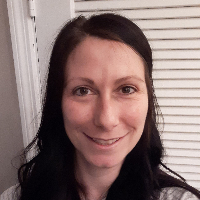
About Rachel
Rachel Young is a licensed professional counselor with 14 years of experience helping people manage stress, anxiety, depression, and relationship strain. She works with individuals facing trauma, mood disorders, grief, ADHD, and issues with self-esteem. Rachel aims to make conversations straightforward and comfortable so people can start untangling problems right away.
She uses client-centered and solution-focused methods to help clients identify practical steps for daily challenges. Sessions often focus on skills people can use between meetings, such as coping tools, communication strategies, and small behavior changes that add up over time.
Background and approach
Rachel draws on cognitive behavioral techniques to challenge unhelpful thinking and on attachment-based ideas to strengthen how people relate to others. Mindfulness practices are offered when they fit a person’s goals, particularly for calming anxiety and improving self-awareness. Her background includes work in hospitals, public schools, and community mental health settings.
Those roles exposed her to a wide range of situations, from crisis care to ongoing support for mood and family concerns. Rachel says she treats each person with respect and compassion and builds plans around their goals. She tailors treatment to the needs the person brings and adjusts approaches as progress is made.
How Rachel’s approaches work in online sessions
Rachel blends client-centered care with cognitive behavioral techniques to give clear, practical support. Client-centered work means the therapist listens closely and follows what matters most to the person. Cognitive behavioral work looks at how thoughts and behaviors influence mood and offers tools to change them.She also uses attachment-based ideas to help people understand patterns in close relationships. That approach is useful for people who want to improve trust, boundaries, or communication. Together these approaches aim to create both insight and action, with the therapist and client deciding which methods fit best.
Finding the right approach is collaborative. The therapist will ask about needs, goals, and preferences, then recommend techniques to try. Plans are adjusted over time based on what helps the person make progress.
Online formats include video calls, phone sessions, live chat, and text-based messaging. Video calls allow face-to-face interaction for deeper conversation. Phone sessions can be easier when bandwidth is limited or when a shorter check-in is needed. Messaging and live chat work well for quick updates, processing between sessions, or people who prefer typed communication. These options make therapy more flexible for busy schedules and different comfort levels.
Questions people ask
What issues does Rachel address in therapy?
What is her general therapy style?
How much experience does she have?
What credentials and location are listed?
Are sessions available in other languages or internationally?
Which session formats are offered?
How does billing and cost work?
What are the first steps to begin therapy?
What this counselor works with
Most often
- Stress, Anxiety
- Family conflicts
- Anger management
Also listed
- ADHD
- Bipolar disorder
- Blended family issues
- Depression
- Divorce and separation
- Family problems
- Forgiveness
- Grief
- Mood disorders
- Relationship issues
- Self esteem
- Self-harm
- Self-love
- Social anxiety and phobia
- Trauma and abuse
- Young adult issues
Therapeutic approaches
- Experience
- 14 years
- Licensed
- Georgia
- Languages
- English