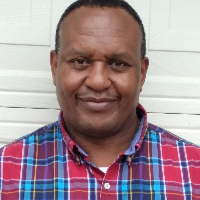
About Peter
Peter Mburu is a licensed professional counselor who helps people manage stress, anxiety, addiction, mood concerns, and relationship strain. He speaks English, Kikuyu, and Swahili and works with adults facing grief, trauma, parenting pressures, and career or identity questions. He brings seven years of counseling experience to his practice in Texas.
He prefers a straightforward, practical style. Sessions focus on skills people can use between meetings. He helps clients notice unhelpful thoughts, build coping routines, and set small workable goals.
Background and approach
Conversations are collaborative and geared toward daily needs rather than long lectures. Peter draws from approaches such as cognitive behavioral methods, acceptance and commitment ideas, dialectical behavior tools, motivational interviewing, and solution-focused techniques. He adapts these methods to each person’s situation and goals.
This means some sessions emphasize coping skills, while others focus on values and motivation. His background includes work with adults experiencing serious mental health challenges and with people facing addiction and cultural adjustment. That experience shapes a direct approach to problems like panic, trauma, substance use, and mood swings.
He aims to help people return to routines and regain stability. People who choose him can expect clear suggestions, collaborative planning, and attention to practical barriers such as sleep, work, and caregiving. He helps clients build tools for daily life and track small changes over time.
Therapeutic approaches and online care
Acceptance and Commitment Therapy (ACT) helps people notice painful thoughts while committing to actions that match their values. It is useful for anxiety, depression, and life transitions when someone wants to build a clearer sense of direction.Cognitive Behavioral Therapy (CBT) focuses on spotting unhelpful thought patterns and testing them with practical experiments. It is often used for anxiety, panic, sleep problems, and depression because it gives concrete tools to change thinking and behavior.
Finding the right approach is part of the work. The therapist will talk with each person about goals, preferences, and daily routines and then try methods that fit. Treatment is collaborative and adjusted over time based on what helps most.
Online sessions are offered as video calls, phone sessions, live chat, or text-based messaging to make therapy flexible. Video calls allow face-to-face conversation, phone sessions use less bandwidth, live chat can be helpful for quick check-ins, and messaging supports brief notes or ongoing reflections. These options make it easier to fit sessions into work, school, or caregiving days while keeping therapy focused on practical change.
Questions people ask
What concerns does he help with?
What is his therapeutic style like?
How much clinical experience does he have?
Where is he licensed and based?
Which languages are available for sessions?
What session formats are offered?
How does pricing and payment work?
How do I begin working together?
What this counselor works with
Most often
- Stress, Anxiety
- Addictions
- Relationship issues
Also listed
- Anger management
- Bipolar disorder
- Career difficulties
- Compassion fatigue
- Coping with life changes
- Depression
- Drug and alcohol addiction
- Family conflicts
- Family problems
- Grief
- Guilt and shame
- Immigration issues
- LGBT
- Men's issues
- Mood disorders
- Multicultural concerns
- Panic disorder and panic attacks
- Paranoia
- Parenting issues
- Post-traumatic stress
- Self esteem
- Sleeping disorders
- Social anxiety and phobia
- Trauma and abuse
- Young adult issues
Therapeutic approaches
- Experience
- 7 years
- Licensed
- Texas
- Languages
- English, Kikuyu, Swahili