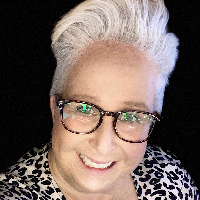
About Patricia
Patricia Hall meets people where they are and focuses on practical help for everyday struggles. She is Patricia Hall, a Licensed Professional Counselor (LPC) based in Virginia who offers straightforward support for stress, anxiety, mood shifts, and trauma. Her tone is direct and down-to-earth, aimed at families and individuals looking for steady, sensible guidance.
Patricia uses a trauma-focused perspective while drawing on client-centered work to keep sessions collaborative. She helps people name what feels overwhelming and then builds simple, doable steps to feel more in control.
Background and approach
Sessions emphasize clear goals, skills to manage mood and anxiety, and a paced approach to hard memories. Her background includes a mix of outpatient and inpatient settings and five years of practice as an LPC in Virginia. Patricia values working with people from varied backgrounds and has a particular interest in supporting LGBT clients through issues like gender dysphoria and identity concerns.
In the room she blends cognitive behavioral tools and dialectical behavior techniques with a person-centered stance. That means she listens closely, offers practical skill-building, and checks in about what’s working. She also addresses substance use, impulsivity, parenting strains, grief, and other life transitions.
Outside of work Patricia spends time with her teenage child and volunteers at an animal shelter. Her practical, steady style is aimed at helping people take manageable steps toward feeling better.
How therapeutic approaches translate to online care
Patricia often draws from Trauma-Focused Therapy to help people process past hurt in a paced way. This approach focuses on understanding how traumatic events affect current reactions and uses step-by-step work to reduce distress related to those memories.She also uses Cognitive Behavioral Therapy, which looks at how thoughts, feelings, and actions connect. CBT provides concrete tools to change unhelpful thinking and to build routines that reduce anxiety, panic attacks, and depressive patterns.
Choosing the right method is a team effort. The therapist will talk with each person about goals, preferences, and daily demands, and then try out approaches that fit. Adjustments are made over time so work stays useful and realistic.
Online sessions offer practical flexibility. Video calls let people meet face-to-face when talking through emotions is important. Phone sessions are helpful when bandwidth is low or when being off camera feels easier. Live chat and text-based messaging allow shorter check-ins, ongoing skill reminders, and quick support between longer sessions. These options make it easier to keep therapy consistent around school, work, or caregiving responsibilities.
Questions people ask
What kinds of problems does Patricia help with?
What is her general approach in sessions?
What is her professional background?
Where is she licensed and based?
Can sessions be held in languages other than English?
What formats are used for therapy sessions?
How does cost and payment work?
How do I begin working with Patricia?
What this counselor works with
Also listed
- Addictions
- ADHD
- Anger management
- Bipolar disorder
- Compassion fatigue
- Control issues
- Coping with life changes
- Dependent personality
- Depression
- Disruptive Mood Dysregulation Disorder (DMDD)
- Drug and alcohol addiction
- Family conflicts
- Gender dysphoria
- Grief
- Guilt and shame
- Impulsivity
- LGBT
- Mood disorders
- Panic disorder and panic attacks
- Paranoia
- Parenting issues
- Personality disorders
- Post-traumatic stress
- Postpartum depression
- Relationship issues
- Seasonal Affective Disorder (SAD)
- Self-harm
- Sexuality
- Social anxiety and phobia
- Young adult issues
Therapeutic approaches
- Experience
- 5 years
- Licensed
- Virginia
- Languages
- English