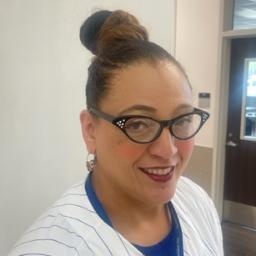
About Pamela
Dr. Pamela Sterling helps people in Texas who are feeling overwhelmed by stress, anxiety, grief, or relationship trouble. She is a Licensed Clinical Professional Counselor, LCPC, and a Licensed Professional Counselor, LPC, with ten years of practice.
Her style is direct and compassionate, aimed at practical change rather than jargon. She speaks English and works with adults from many backgrounds. She draws on experience supporting veterans, first responders, and people facing big life transitions.
Background and approach
That background informs how she listens for trauma, burnout, and the effects of high-stress jobs. She also supports those coping with addiction, sleep problems, intimacy concerns, and identity-related questions such as LGBT matters. In sessions she focuses on understanding a client’s cultural context and personal story.
The conversations are aimed at building clear coping tools, improving relationships, and easing intense emotions. Dr. Sterling pays particular attention to multicultural issues and to people with intellectual disability or those facing end-of-life and hospice situations.
Dr. Sterling offers several ways to connect: video calls, phone sessions, live chat, and text-based messaging. International clients are not currently accepted.
Costs vary by location and availability, and care is provided through a cancelable subscription model. To begin, a person selects the Start Therapy button, completes a short matching questionnaire, and schedules according to therapist availability. That intake helps match goals and pick the best session format.
Approaches and how they work online
Dr. Sterling uses evidence-based therapeutic techniques that focus on symptom reduction and skill building. One common approach she uses emphasizes practical coping skills and behavioral changes to reduce anxiety and improve sleep; it involves identifying patterns and trying small, concrete changes to daily routines. Another approach centers on trauma-informed care, which looks at how past experiences shape current reactions and builds strategies for managing strong emotions and improving safety in relationships.Choosing the right approach is a collaborative process. The therapist and client review goals, preferences, and life circumstances together and adjust the plan as progress is made. This allows techniques to be tailored to issues like grief, addiction, or first-responder stress while keeping the work focused and achievable.
Online therapy formats include video calls, phone sessions, live chat, and text-based messaging, and they offer practical flexibility. Video sessions are useful for deeper conversations and visual cues. Phone sessions can fit into a busy day or work for those with limited bandwidth. Live chat and text messaging allow brief check-ins, ongoing support between appointments, and a way to track progress in writing. These options make therapy easier to schedule and maintain around daily life.
Questions people ask
What concerns does she help with?
What is her therapeutic style like?
How much clinical experience does she have?
What credentials and location are listed for this therapist?
Which languages are supported for sessions?
What session formats are available?
How is cost handled for sessions?
How do I get started with therapy?
What this counselor works with
Most often
- Stress, Anxiety
- Relationship issues
- Trauma and abuse
Also listed
- Addictions
- ADHD
- Anger management
- Career difficulties
- Coping with life changes
- Depression
- First responder issues
- Grief
- Hospice and end-of-life counseling
- Infidelity
- Intellectual disability
- Intimacy-related issues
- LGBT
- Multicultural concerns
- Parenting issues
- Self esteem
- Sleeping disorders
- Veteran and Armed Forces Issues
- Experience
- 10 years
- Licensed
- Texas, Nevada, Arizona
- Languages
- English