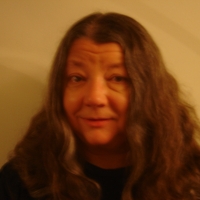
About Nancy
Dr. Nancy Forrest focuses on helping people who feel stuck by stress, anxiety, grief, or heartbreak. She talks plainly and offers steady, practical support for everyday problems.
Many clients seek her when relationships, work, or life transitions feel overwhelming. With 25 years of experience, Dr. Forrest blends a few different ways of working to match each person's needs.
She draws on client-centered work that prioritizes the person's own goals and pace.
Background and approach
She also uses cognitive behavioral ideas to notice unhelpful thoughts and try small, testable changes. Her background includes a Jungian outlook that pays attention to patterns, images, and deeper life themes. That approach often helps people understand recurring struggles like abandonment, control issues, or family of origin patterns.
She additionally offers hypnotherapy tools when a client and therapist agree those techniques might help with sleep, anxiety, or trauma symptoms. Dr. Forrest pays attention to the whole person - emotional, physical, and spiritual - and tailors sessions around what a person wants to change.
She supports work on intimacy concerns, communication problems, forgiveness, and recovery after sexual assault or other abuse. She also helps with career stress, self-esteem, eating and sleeping difficulties, and adjustment to life changes. She practices as an LPC in Pennsylvania and offers sessions in English.
Dr. Forrest works with people across many concerns, taking a practical, conversational approach that aims to help someone feel steadier and clearer about next steps.
Approaches that adapt to online therapy
Dr. Forrest uses client-centered work and cognitive behavioral therapy in online sessions. Client-centered work focuses on listening and following the person's goals, which helps people shape sessions around what matters to them. Cognitive behavioral therapy looks at thoughts and behaviors and uses small experiments to change how someone feels and functions, useful for anxiety, sleep, and mood concerns.She also draws on Jungian ideas to notice recurring life patterns and themes, which can be explored through conversation, journaling prompts, and imagery exercises during remote sessions. Deciding which approach to use is collaborative; the therapist and client review goals, try methods, and adjust as progress becomes clear. The fit between method and problem is part of the work together.
Online therapy offers several practical benefits. Video calls let people use visual cues and do deeper conversation from another location. Phone sessions can be easier when bandwidth is limited or a shorter check-in is needed. Live chat and text-based messaging support quick reflections, ongoing processing between sessions, or a written record of insights. These formats provide flexibility for different schedules and communication preferences, while allowing licensed professionals to offer consistent therapeutic support.
Questions people ask
What kinds of concerns does she address?
What is her general approach in sessions?
How much clinical experience does she have?
Where is she licensed and located?
Can I work with her if I live outside the United States?
Which session formats are available?
How does payment and cost work?
How do I begin therapy with her?
What this counselor works with
Most often
- Stress, Anxiety
- Relationship issues
- Trauma and abuse
Also listed
- Abandonment
- Adoption and foster care
- Anger management
- Bipolar disorder
- Career difficulties
- Commitment issues
- Communication problems
- Control issues
- Coping with life changes
- Depression
- Dissociation
- Divorce and separation
- Eating disorders
- Family conflicts
- Family of origin issues
- Forgiveness
- Grief
- Infidelity
- Intimacy-related issues
- LGBT
- Life purpose
- Men's issues
- Parenting issues
- Post-traumatic stress
- Self esteem
- Self-love
- Sexual assault and abuse
- Sleeping disorders
- Women's issues
- Workplace issues
Therapeutic approaches
- Experience
- 25 years
- Licensed
- Pennsylvania
- Languages
- English