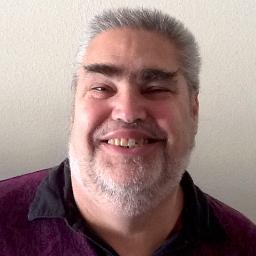
About Mike
Mike Petagna is a Licensed Professional Counselor (LPC) based in Arizona who helps people manage stress, anxiety, addiction concerns, parenting struggles, and life transitions. He approaches sessions with respect and compassion. He aims to make conversations straightforward and practical so clients can try new habits between meetings.
With eight years of clinical experience, he focuses on clear goals and skills people can use day to day. He draws on Cognitive Behavioral Therapy, Dialectical Behavior Therapy, and Solution-Focused methods to address moods, coping skills, and problem solving.
Background and approach
That mix allows sessions to include thought work, emotion regulation skills, and short-term goal planning. He works with people facing issues like low self-esteem, trouble managing emotions, and the stress of major life changes. He also addresses concerns such as addiction, communication problems, family-of-origin patterns, abandonment, and fatherhood-related stress.
Sessions are adapted to each person’s situation and pace. Mike favors a collaborative approach. He and the client set practical steps and check progress each visit.
Conversations are focused and aim to build useful tools rather than rely on long explanations. Online and remote formats are available, including video calls, phone sessions, live chat, and text messaging. Prospective clients complete a brief matching questionnaire and then schedule sessions to suit their needs.
Approaches for online work and practical skills
Mike uses Cognitive Behavioral Therapy to help people spot unhelpful thoughts and try small behavior changes. CBT is useful for anxiety, low mood, and changing reactions that keep problems going.He also draws on Dialectical Behavior Therapy to teach emotion regulation and distress tolerance skills. DBT techniques can help when emotions feel intense or when coping skills are limited.
Solution-Focused Therapy is used to set short-term goals and identify steps that move a person forward quickly. This approach often focuses on what is already working and builds from those strengths.
Choosing the right approach is collaborative. The therapist will talk with each person about goals and preferences, then try methods that fit the situation. Adjustments are made over time based on what helps.
Online sessions are offered by video call, phone, live chat, or text-based messaging to make therapy more flexible. Video is good for real-time conversation and visual cues. Phone sessions can work when bandwidth is limited or a camera isn’t wanted. Live chat and text messaging can fit quick check-ins, shorter sessions, or times when writing feels easier. These options aim to make it possible to get consistent help around work, family, and daily life.
Questions people ask
What kinds of concerns does he help with?
What is his therapy style like?
How much experience does he have?
What are his credentials and where is he located?
Which languages are supported for sessions?
Can people outside the United States work with him?
What session formats are available?
How does payment and scheduling work?
What this counselor works with
Most often
- Stress, Anxiety
- Addictions
- Parenting issues
Also listed
- Abandonment
- Aging and geriatric issues
- Attachment issues
- Autism and Asperger Syndrome
- Codependency
- Commitment issues
- Communication problems
- Control issues
- Coping with life changes
- Domestic violence
- Drug and alcohol addiction
- Eating and food-related issues
- Emptiness
- Family of origin issues
- Family problems
- Fatherhood issues
- Forgiveness
- Isolation / loneliness
- Life purpose
- Men's issues
- Midlife crisis
- Money and financial issues
- Mood disorders
- Phobias
- Self esteem
- Self-love
- Social anxiety and phobia
- Workplace issues
Therapeutic approaches
- Experience
- 8 years
- Licensed
- Arizona
- Languages
- English