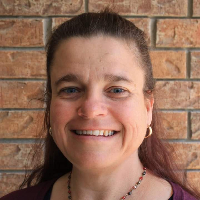
About Michelle
Dr. Michelle Dobson uses a client-centered and attachment-aware approach to guide people through stress, anxiety, depression, and relationship struggles. She is a licensed professional counselor (LPC) in Arkansas with ten years of clinical experience.
Michelle writes plainly and focuses on practical steps people can try between sessions. Her work centers on communication and relationship building as tools for change. She pays attention to how past experiences shape current patterns but emphasizes setting and reaching future goals.
Background and approach
Sessions often include collaborative problem solving and skills practice to manage mood, anger, or grief. Michelle has supported people facing parenting challenges, family conflict, and intimacy-related concerns. She also helps with career stress, life transitions, compassion fatigue, and attention-related difficulties.
Additional focus areas include attachment wounds, blended family issues, caregiver stress, hoarding, and isolation. Her approach draws on cognitive behavioral techniques, mindfulness, motivational interviewing, and attachment-based perspectives. That mix is used to build coping skills, improve communication, and clarify life purpose.
Therapy is framed as a partnership where strengths are identified and expanded. People who meet with Michelle can expect straightforward talk, concrete goals, and steps to practice between sessions. She offers video calls, phone sessions, live chat, and text-based messaging to fit different schedules and needs.
How therapeutic approaches adapt to online care
Attachment-based work focuses on how early relationships shape current bonds and communication. Online sessions use conversation and reflective exercises to notice patterns and practice new ways of relating that can help with intimacy, abandonment issues, and family conflict.Client-centered therapy emphasizes the person's own goals and strengths. In remote sessions the therapist listens, mirrors concerns, and supports clients as they set practical goals for parenting, career decisions, or coping with depression and anxiety.
Cognitive Behavioral Therapy (CBT) looks at thoughts, feelings, and actions together. Through video or messaging a therapist and client identify unhelpful thinking, test new behaviors, and use short exercises between sessions to track progress and reduce symptoms.
Finding the right blend of approaches is part of the work. The therapist partners with the client to choose methods that match goals, comfort level, and daily life. That collaboration helps tailor techniques and weekly tasks to what is most useful for each person.
Online therapy with this clinician offers flexibility in how sessions happen. Video calls are useful for deeper conversations and visual cues. Phone sessions are good when bandwidth is limited or for a shorter check-in. Live chat and text-based messaging allow brief, ongoing support and quick skill reminders between sessions. These options make it easier to fit therapy into busy routines and different schedules.
Questions people ask
What concerns does she help with?
What style of therapy does she use?
How long has she been practicing?
Where is she licensed and based?
Which languages are supported?
What session formats are available?
How is cost handled?
How do I begin therapy with her?
What this counselor works with
Most often
- Stress, Anxiety
- Parenting issues
- Self esteem
Also listed
- Abandonment
- ADHD
- Anger management
- Attachment issues
- Bipolar disorder
- Blended family issues
- Career difficulties
- Caregiver issues and stress
- Coaching
- Communication problems
- Compassion fatigue
- Coping with life changes
- Depression
- Family conflicts
- Family problems
- Forgiveness
- Grief
- Guilt and shame
- Hoarding
- Impulsivity
- Intimacy-related issues
- Isolation / loneliness
- Life purpose
- Mood disorders
- Relationship issues
- Trauma and abuse
- Veteran and Armed Forces Issues
- Young adult issues
Therapeutic approaches
- Experience
- 10 years
- Licensed
- Arkansas
- Languages
- English