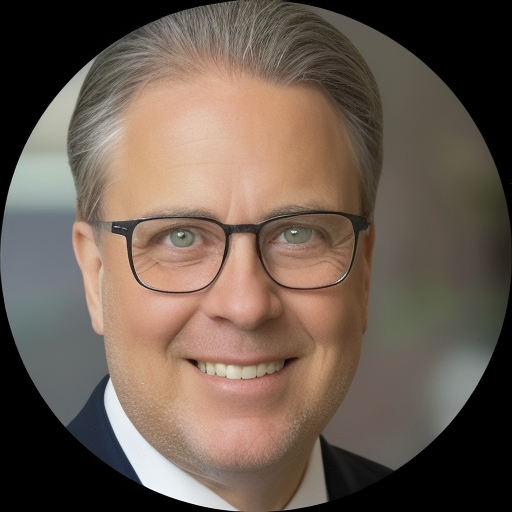
About Michael
Michael Ermalinski is a licensed professional counselor with more than three decades of clinical work. He trained in psychology and education and added graduate clinical study, and he now offers therapy from Pennsylvania. He speaks English and brings a steady, experienced presence to sessions.
He helps people manage anxiety, stress, and depression, including bipolar concerns. He also supports people dealing with trauma and abuse, grief, addiction, and difficulties with intimacy or self-esteem.
Background and approach
Relationship problems, career stress, and issues tied to caregiving or chronic illness are also within his focus. Michael blends practical, research-informed methods with a warm, nonjudgmental style. Sessions tend to be collaborative and goal-oriented.
He listens first, then works with each person to try different ways to change patterns that cause pain. He uses approaches like client-centered work, cognitive behavioral strategies, dialectical behavior methods, motivational interviewing, and psychodynamic ideas. Those methods guide how he clarifies problems, builds new skills, and addresses long-standing patterns that keep people stuck.
People who choose him often want an experienced counselor who offers steady guidance and practical tools. He aims to combine real-world strategies with careful attention to how past experiences shape current behavior. That mix is intended to help a person take manageable steps toward feeling better.
Approach and Online Options for Therapy
Michael often uses client-centered therapy, which focuses on listening closely and helping people find their own answers. That approach is helpful for building self-understanding and improving communication in relationships.He also relies on cognitive behavioral therapy, which helps identify unhelpful thoughts and teaches practical skills to change them. CBT is useful for anxiety, depression, stress, and many day-to-day challenges.
Finding the right approach is collaborative. The therapist will talk with each person about goals, preferences, and what feels most helpful. Together they may try one method or combine elements from different approaches to suit changing needs.
Online work is offered through video calls, phone sessions, live chat, and text-based messaging to make scheduling easier. Video lets people use visual cues and do deeper conversations. Phone can be a simpler option when video is not needed. Live chat and messaging are useful for brief check-ins, skill practice, or when someone prefers writing. These options let people fit therapy into work, caregiving, or busy days without extra travel.
Questions people ask
What concerns does he address?
How would you describe his therapy style?
What is his background and experience?
Where is he licensed and based?
Which languages are supported in sessions?
What formats are available for sessions?
How are sessions paid for?
How do I begin working with him?
What this counselor works with
Most often
- Stress, Anxiety
- Relationship issues
- Self esteem
Also listed
- Abandonment
- Addictions
- ADHD
- Aging and geriatric issues
- Anger management
- Avoidant personality
- Bipolar disorder
- Cancer
- Career difficulties
- Caregiver issues and stress
- Chronic pain, illness, and disability
- Coaching
- Codependency
- Communication problems
- Compassion fatigue
- Coping with life changes
- Dependent personality
- Depression
- Drug and alcohol addiction
- Emptiness
- Family conflicts
- Family problems
- Forgiveness
- Grief
- Guilt and shame
- Impulsivity
- Intimacy-related issues
- Isolation / loneliness
- Jealousy
- LGBT
- Life purpose
- Men's issues
- Midlife crisis
- Mood disorders
- Narcissism
- Panic disorder and panic attacks
- Paranoia
- Personality disorders
- Phobias
- Post-traumatic stress
- Seasonal Affective Disorder (SAD)
- Sexuality
- Social anxiety and phobia
- Trauma and abuse
- Traumatic brain injury
Therapeutic approaches
- Experience
- 32 years
- Licensed
- Pennsylvania
- Languages
- English