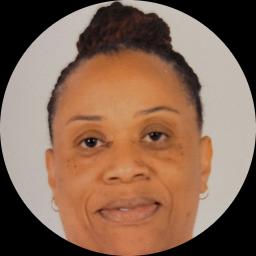
About Mercides
Mercides Palmer brings three years of clinical work to her practice in Maryland. She holds an MD and is a Licensed Clinical Professional Counselor, LCPC. She focuses on relationship struggles, trauma and abuse, grief, self-esteem, and ADHD.
Her approach is straightforward and supportive. Palmer aims to make the first steps feel manageable. She creates a calm space where people can talk about hard things without judgment.
Sessions move at a person's pace so they can build trust and clarity over time.
Background and approach
She uses talk therapy to help people sort out emotions and patterns. That can include looking at how relationships shape current problems and finding practical strategies to manage mood and attention. She also helps people grieving losses find ways to cope and continue daily life.
Her work draws on attachment ideas and client-centered principles to center each person's experience. Cognitive behavioral strategies and skills from dialectical behavior therapy are used when useful to change unhelpful thoughts and manage big feelings. Mercides emphasizes collaboration.
She and the person in therapy set goals together and adjust plans as progress is made. The process is gradual and focused on tangible steps toward better coping and clearer direction.
Therapeutic approaches and how they translate online
Attachment-Based Therapy focuses on how early bonds influence current relationships and emotional reactions; online sessions can help identify patterns and rebuild safer ways of relating. Client-Centered Therapy places the person at the center of the work, offering active listening and empathy to help people clarify their own goals and values. Cognitive Behavioral Therapy (CBT) looks at the links between thoughts, feelings, and behaviors and introduces practical exercises to change unhelpful patterns.Finding the right approach is a collaborative process. The therapist will discuss goals, try techniques that fit the person's needs, and adjust based on what helps. Together they decide which methods feel most useful and make changes over time as progress is made.
Online formats include video calls, phone sessions, live chat, and text-based messaging. Video allows face-to-face conversation and visual cues, phone sessions work well when bandwidth is limited or for a shorter check-in, and chat or messaging can support brief updates or skill practice between sessions. These options make it easier to fit therapy into work, school, or family schedules and provide flexible ways to maintain regular contact with a licensed professional.
Questions people ask
What kinds of issues does this therapist address?
What is the therapist's style in sessions?
How much experience does the therapist have?
What credentials and location are listed?
Which languages are supported and are international clients accepted?
What session formats are available?
How are fees and payments handled?
What steps are involved in getting started?
What this counselor works with
Most often
- Relationship issues
- Trauma and abuse
- Grief
Also listed
- ADHD
- Attachment issues
- Disruptive Mood Dysregulation Disorder (DMDD)
- Life purpose
- Mood disorders
- Self esteem
- Self-harm
- Self-love
- Workplace issues
- Young adult issues
Therapeutic approaches
- Experience
- 3 years
- Licensed
- Maryland
- Languages
- English