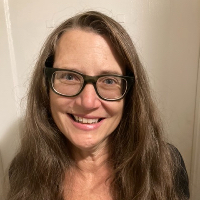
About May
May Kirby is a licensed professional counselor (LPC) who centers therapy on building a strong working relationship with each person. She brings ten years of experience and focuses on helping people facing stress, anxiety, depression, trauma and abuse, relationship and intimacy concerns, and struggles with self-esteem and addiction.
She uses practical, talk-based methods to help people name what’s hard and try concrete steps that can change daily life. She often draws on cognitive behavioral techniques to shift unhelpful thinking and acceptance and commitment ideas to clarify values and take meaningful action.
Background and approach
Attachment-based and client-centered approaches shape how she listens and responds in sessions. May has worked in intensive outpatient mental health settings, which has given her experience with people managing mood disorders, panic, obsessive and compulsive patterns, and complex life transitions. She also supports people dealing with grief, caregiver stress, compassion fatigue, and challenges around identity and intimacy.
Sessions are offered in English and May accepts international clients. Her practice uses a subscription model for sessions, which can be canceled at any time. Session formats include video calls, phone sessions, live chat, and text-based messaging.
To begin, people choose the Start Therapy button, fill out a short matching questionnaire, and schedule according to therapist availability. May aims to create a calm, steady space where goals are practical and progress is measured in everyday changes.
Therapeutic approaches you can use online
Acceptance and Commitment Therapy helps people clarify what matters most and take small, meaningful steps toward those values. It is useful for anxiety, depression, and coping with life changes because it focuses on action rather than just changing thoughts.Cognitive Behavioral Therapy looks at the connection between thoughts, feelings, and actions and offers concrete tools to shift patterns that fuel anxiety, panic, or depressive moods. It tends to be practical and skill-based, with exercises people can practice between sessions.
Client-Centered Therapy emphasizes the therapist's empathic listening and respect for each person's experience. This approach can help when someone needs space to make sense of difficult feelings, build self-esteem, or repair how they relate to others.
Finding the best approach is a collaborative process. The therapist will work with each person to identify goals, try methods that fit their needs, and adjust the plan if something isn’t working. This means sessions can blend approaches as needed to address both immediate problems and longer-term patterns.
Online formats make it easier to fit therapy into a busy life. Video calls allow face-to-face conversation and visual cues, phone sessions can work when bandwidth is limited or a shorter check-in is needed, and live chat or text-based messaging offer ongoing support between meetings. These options give flexibility for different schedules, energy levels, and communication styles while keeping focus on practical progress.
Questions people ask
What concerns does this therapist help with?
What is her general therapy style?
How much experience does she have?
What credentials and location are listed?
Are sessions available in other languages or internationally?
What session formats are offered?
How does payment and cost work?
How do I get started?
What this counselor works with
Most often
- Stress, Anxiety
- Relationship issues
- Trauma and abuse
Also listed
- Abandonment
- Addictions
- ADHD
- Aging and geriatric issues
- Anger management
- Attachment issues
- Bipolar disorder
- Career difficulties
- Caregiver issues and stress
- Coaching
- Codependency
- Commitment issues
- Communication problems
- Compassion fatigue
- Coping with life changes
- Depression
- Eating disorders
- Family conflicts
- Family of origin issues
- Grief
- Hoarding
- Intimacy-related issues
- Isolation / loneliness
- LGBT
- Life purpose
- Mood disorders
- Obsessions, compulsions, and OCD
- Panic disorder and panic attacks
- Parenting issues
- Personality disorders
- Phobias
- Self esteem
- Sleeping disorders
- Social anxiety and phobia
Therapeutic approaches
- Experience
- 10 years
- Licensed
- South Carolina
- Languages
- English