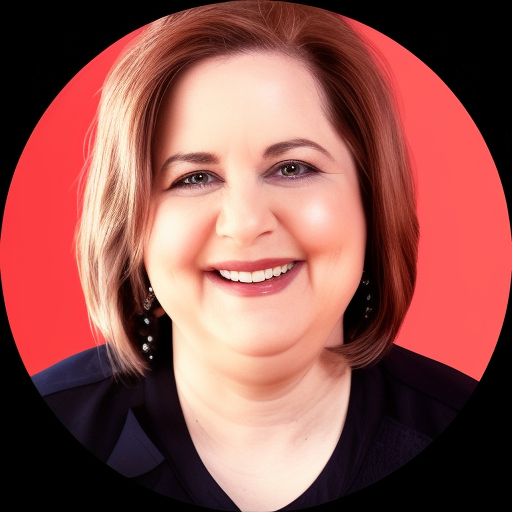
About Maxine
Maxine Lindauer is a Licensed Professional Counselor (LPC) who helps people facing stress, anxiety, depression, grief, trauma, and self‑esteem struggles. She offers a calm, warm presence and practical support for people working through hard emotions. She focuses on pressing issues like panic attacks, mood disorders, and the effects of recent or past trauma.
Maxine also helps people who feel stuck by addressing attachment wounds, abandonment fears, and family of origin conflicts.
Background and approach
She listens for patterns that keep clients feeling isolated or overwhelmed and talks through steps to change them. In sessions she emphasizes communication, self‑understanding, and rebuilding a sense of purpose. Conversations are collaborative and paced to the client’s needs.
Maxine guides clients to notice how past experiences shape current relationships and choices, then practices small, achievable changes in thinking and behavior. She supports people processing grief, guilt, shame, and forgiveness work. Maxine uses focused work on symptoms like panic attacks or dissociation alongside broader life concerns such as career stress or midlife transitions.
Her approach aims to reduce daily distress and increase emotional clarity. Maxine brings three years of counseling experience based in Texas to her practice. Sessions are offered in English and are available through video, phone, live chat, or text messaging.
She works with each person to set goals and adapt the pace of therapy to what they need.
Evidence‑based approaches and online therapy options
Maxine uses evidence‑based therapeutic techniques that focus on reducing symptoms and improving day‑to‑day functioning. One approach centers on processing traumatic memories and their effects so triggers and flashbacks become less disruptive; this helps people who experience post‑traumatic stress or panic attacks. Another approach focuses on skills to manage anxiety and mood swings, teaching practical strategies for calming the body and changing unhelpful thinking patterns so stress feels more manageable.Choosing the right method is part of the work together. The therapist will review your concerns, goals, and preferences and suggest approaches that fit. This is a collaborative process and methods can be adjusted as progress is made or new needs appear.
Online sessions are offered by video calls, phone sessions, live chat, or text‑based messaging to make therapy more flexible. Video lets you read facial cues and practice conversations in real time. Phone sessions work well when bandwidth is limited or when a shorter check‑in fits a break at work. Live chat and text can be useful for brief check‑ins, journaling between sessions, or people who prefer writing to speaking. These options make it easier to fit counseling into a busy life while maintaining a steady course of care.
Questions people ask
What concerns does Maxine commonly help with?
What is her general therapeutic style?
What experience does she bring?
Where is she licensed and based?
In which languages are sessions offered?
What session formats are available?
How are costs and payments handled?
How do I begin working with her?
What this counselor works with
Most often
Also listed
- Abandonment
- Attachment issues
- Communication problems
- Dependent personality
- Depression
- Dissociation
- Family of origin issues
- Family problems
- Forgiveness
- Guilt and shame
- Isolation / loneliness
- Life purpose
- Midlife crisis
- Mood disorders
- Panic disorder and panic attacks
- Post-traumatic stress
- Self esteem
- Self-harm
- Self-love
- Sexual assault and abuse
- Workplace issues
- Experience
- 3 years
- Licensed
- Texas
- Languages
- English