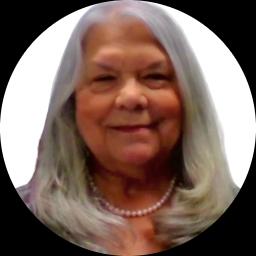
About Margaret
Margaret Felty is a licensed professional counselor with 36 years of experience. She focuses on helping people who are dealing with trauma, grief, depression, and compassion fatigue. Her tone is calm and practical, aiming to help clients take the first brave step toward feeling better.
She creates an open space where people can talk about painful thoughts and emotions without judgment. Sessions emphasize clear communication and practical steps to manage distress.
Background and approach
Margaret helps clients sort through upsetting memories, overwhelming sadness, or persistent worry so they can make daily life more manageable. Her background includes long experience in counseling across many concerns. She draws on grief work, mindfulness, and approaches that are suitable for online sessions.
That means work focuses on breathing and grounding skills, thinking patterns that get in the way, and careful processing of difficult memories. Margaret is based in Texas and works with people in English. She is LGBTQ+ friendly and supports individual clients who need a steady, empathic presence while they recover from loss or trauma.
Her style is steady, compassionate, and practical. She helps clients build tools for everyday life. Those tools can include pacing exposure to hard memories, practicing calm in stressful moments, and improving communication when stress affects relationships.
The goal is better coping and clearer next steps.
Approaches that translate well to online work
Many of her methods focus on practical skills you can use between sessions. Mindfulness teaches simple attention and breathing exercises to reduce anxiety and aid grief processing. It helps people feel less overwhelmed in daily life. Grief counseling provides space to name losses and practice ways to remember and adjust, helping with routines, emotions, and anniversaries. EMDR is used for trauma and anxiety; in an online setting it involves guided attention and careful pacing to help process distressing memories when appropriate.Figuring out which approach fits best is a collaborative process. She will talk with each person about their goals, preferences, and how they respond to different techniques. Together the therapist and client decide what to try first and make changes as progress is observed.
Online sessions are offered via video calls, phone sessions, live chat, or text-based messaging to make therapy flexible. Video works well for in-depth conversations and visual cues. Phone sessions can be easier when bandwidth or camera use is limited. Live chat and messaging suit shorter check-ins, coaching-style support, or people who prefer written communication. These options make it possible to fit therapy into workdays, travel, or differing schedules while keeping continuity of care.
Questions people ask
What concerns does she focus on?
How would you describe her therapy style?
What is her professional background?
Where is she located and licensed?
Can people outside the U.S. work with her?
What session formats are available?
How does payment and cost work?
How do I begin working with her?
What this counselor works with
Most often
Also listed
- Experience
- 36 years
- Licensed
- Texas
- Languages
- English