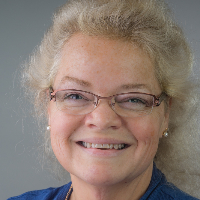
About Lorey
Lorey Simons uses a client-centered approach to meet people where they are. She focuses on building a respectful, non-judgmental connection so clients can guide the work and set meaningful goals. Lorey holds an LPCC, which is the Ohio licensed professional clinical counselor credential she uses in practice.
She helps people manage stress, anxiety, depression, and trauma-related concerns. She also supports those facing relationship strain, intimacy questions, grief, and challenges tied to parenting or blended family dynamics.
Background and approach
Sleeping problems, anger, self-esteem, and coping with life changes are common topics she addresses. Lorey blends practical tools from cognitive behavioral therapy with client-centered listening. She often uses journaling and exercises to challenge unhelpful thought patterns.
The work aims to reduce distress and build skills clients can use between sessions. When trauma is part of the story, she pairs trauma-focused techniques with skills from dialectical behavior therapy to help people manage intense emotions. Motivational interviewing and solution-focused strategies appear when clients want to identify small, doable steps toward change.
Sessions are conversational and goal-oriented. Lorey emphasizes collaboration so clients leave with clear strategies and small experiments to try. Her style is calm, direct, and focused on practical progress.
Using Client-Focused and Skills-Based Therapy Online
Lorey combines client-centered therapy and cognitive behavioral therapy to guide online work. Client-centered therapy means conversations are led by the person seeking help; the therapist listens closely and helps shape goals together. Cognitive behavioral therapy provides concrete tools like journaling and checking unhelpful thoughts to reduce anxiety and depressive symptoms.She also brings in dialectical behavior therapy skills when emotion regulation is needed. DBT techniques teach practical strategies for managing intense feelings and reducing impulsive reactions. Together these approaches help with trauma recovery, relationship strain, panic, and daily stressors by pairing listening with hands-on practice.
Finding the right approach is part of the process. Lorey will talk with each client about their goals, needs, and comfort level and then suggest options. That collaborative planning lets the client try tools and adjust the plan as progress or challenges emerge.
Online formats include video calls, phone sessions, live chat, and text-based messaging. Video mirrors face-to-face conversation for in-depth work. Phone sessions need less bandwidth and work well for check-ins. Live chat and messaging let clients send notes or short updates between sessions and can fit into busy schedules. These options add flexibility so therapeutic work can fit around daily life.
Questions people ask
What concerns does Lorey commonly address?
How would you describe her therapeutic style?
What kind of clinical experience does she have?
Where is she licensed and based?
Which languages are available for sessions?
What session formats are offered?
How does cost and billing work?
What are the first steps to begin working together?
What this counselor works with
Most often
- Stress, Anxiety
- Relationship issues
- Family conflicts
Also listed
- Anger management
- Blended family issues
- Caregiver issues and stress
- Commitment issues
- Communication problems
- Control issues
- Coping with life changes
- Depression
- Divorce and separation
- Family of origin issues
- Family problems
- Forgiveness
- Gender dysphoria
- Grief
- Impulsivity
- Intimacy-related issues
- LGBT
- Panic disorder and panic attacks
- Parenting issues
- Polyamory / non-monogamous relationships
- Post-traumatic stress
- Self esteem
- Self-harm
- Self-love
- Sexual assault and abuse
- Sexuality
- Sleeping disorders
- Social anxiety and phobia
- Trauma and abuse
Therapeutic approaches
- Experience
- 12 years
- Licensed
- Ohio
- Languages
- English