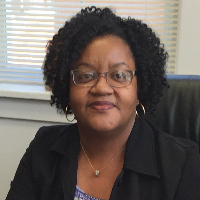
About Linda
Linda Turral is a Licensed Professional Counselor with two decades of experience helping people manage stress, anxiety, mood disorders, and relationship struggles. She practices from a practical, problem-solving perspective and uses Cognitive Behavioral Therapy to guide conversations and skill-building. Linda speaks English and provides services to people located in Georgia.
Her approach is down-to-earth and focused on small, useful changes. She helps people notice unhelpful thoughts, try different actions, and build skills for daily life.
Background and approach
Sessions can include working on coping tools for panic, managing mood shifts, and improving communication in close relationships. Linda has long experience with grief, trauma and abuse, addictions, and issues related to identity and intimacy. She also supports people dealing with workplace stress, caregiver burden, and feelings of isolation.
Her background includes many years in mental health practice, and she draws on that experience to tailor practical steps to each person's situation. In sessions she emphasizes clear goals and everyday strategies. People can expect to talk through what is hardest right now, set small goals, and practice skills between meetings.
The focus is on what helps someone feel steadier and more able to cope. She offers a range of online session formats including video calls, phone sessions, live chat, and text-based messaging. The process to begin is simple: complete a short matching questionnaire and schedule a session based on availability.
How CBT and online sessions work together
Linda uses Cognitive Behavioral Therapy to help people notice patterns of thinking and behavior that make problems worse. CBT in sessions often means naming a troubling thought, testing whether it matches reality, and trying a small behavior change to see what happens. This approach is useful for anxiety, panic, depression, mood swings, and managing stress.Finding the right approach is a collaborative process. The therapist works with each person to set goals, try methods that fit their life, and adjust the plan based on what helps. Together they choose whether to focus on skills practice, thought work, or problem solving depending on the client's needs and preferences.
Online therapy offers practical flexibility. Video calls let people use face-to-face conversation from home, phone sessions can work when bandwidth is limited, and chat or text-based messaging suits quick check-ins, journaling-style work, or shorter coaching moments. These formats make it easier to fit therapy into a busy schedule and to continue work between sessions.
Questions people ask
What concerns does this therapist address?
What is the therapist's general approach in sessions?
How much clinical experience does the therapist have?
Where is the therapist based and what credential do they hold?
Are sessions offered in other languages or to international clients?
What session formats are available for online work?
How does billing and cost work for sessions?
How do I begin working with this therapist?
What this counselor works with
Most often
- Stress, Anxiety
- Relationship issues
- Self esteem
Also listed
- Addictions
- ADHD
- Anger management
- Bipolar disorder
- Career difficulties
- Caregiver issues and stress
- Coaching
- Compassion fatigue
- Control issues
- Coping with life changes
- Depression
- Family conflicts
- Grief
- Intimacy-related issues
- Isolation / loneliness
- LGBT
- Mood disorders
- Panic disorder and panic attacks
- Parenting issues
- Self-love
- Trauma and abuse
- Women's issues
- Workplace issues
Therapeutic approaches
- Experience
- 20 years
- Licensed
- Georgia
- Languages
- English