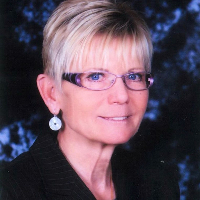
About Linda
Linda Arrossa is a clinician who helps people manage stress, anxiety, grief, depression, relationship and parenting concerns. She brings nearly three decades of experience and practical problem-solving to sessions. Linda uses straightforward conversation and targeted strategies to help people move past what is holding them back.
Linda draws from several approaches to shape each session. She uses Acceptance and Commitment Therapy to clarify values and build committed action. Client-centered techniques create a respectful space where a person’s goals guide the work.
Background and approach
Mindfulness and solution-focused methods help people notice unhelpful patterns and find concrete next steps. Over 29 years in the field, Linda has worked in counseling and coaching roles and taught practicum and internship classes for new counselors. Her background includes work with stress, addictions, trauma and abuse, family-of-origin issues, blended family concerns, infidelity, and compassion fatigue.
This range informs how she tailors sessions to each situation. Linda holds the LCPC credential and practices from Idaho. She offers help for common life changes like career shifts, breakups, parenting strain, and coping after losses.
Sessions are oriented toward practical goals and sustainable changes rather than quick fixes. People who choose Linda can expect a collaborative, goal-minded style. Conversations focus on what matters now and on steps to try between sessions.
The tone is direct, empathetic, and geared toward usable results.
How these approaches translate to online work
Acceptance and Commitment Therapy helps clients get clear about what matters most and take small committed steps toward those values; online sessions often focus on short exercises and homework that fit daily life. Client-Centered Therapy centers the person’s own goals and perspective, giving space for listening and reflection that works well in video or phone conversations. Mindfulness Therapy teaches simple awareness and grounding skills that can be practiced between sessions and reinforced through text check-ins.Choosing the right approach is part of the process. The therapist will work with the client to decide which methods match their goals, needs, and preferences. That collaborative process can begin in an initial session and shift over time as progress and challenges become clearer.
Online formats include video calls, phone sessions, live chat, and text-based messaging. Video is useful for face-to-face conversation and teaching skills, phone can be a good option when bandwidth is limited, live chat fits quick check-ins, and messaging supports brief coaching or ongoing tracking. These options make it easier to schedule sessions around work, caregiving, or travel and to keep momentum between meetings.
Questions people ask
What kinds of concerns does Linda address?
How would you describe her therapeutic style?
What is her background and experience?
Where is she licensed and based?
Can I work with her if I live outside the United States?
In what formats are sessions offered?
How much do sessions cost?
How do I begin working with her?
What this counselor works with
Most often
- Stress, Anxiety
- Relationship issues
- Family conflicts
Also listed
- Abandonment
- Addictions
- Attachment issues
- Blended family issues
- Career difficulties
- Coaching
- Codependency
- Commitment issues
- Communication problems
- Compassion fatigue
- Control issues
- Coping with life changes
- Coping with natural or human-caused disaster
- Dependent personality
- Depression
- Divorce and separation
- Family of origin issues
- Family problems
- Grief
- Infidelity
- Intimacy-related issues
- Jealousy
- Life purpose
- Midlife crisis
- Parenting issues
- Self esteem
- Self-love
- Trauma and abuse
- Women's issues
- Workplace issues
- Young adult issues
Therapeutic approaches
- Experience
- 29 years
- Licensed
- Idaho, Nevada
- Languages
- English