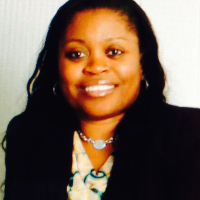
About Latasha
Dr. Latasha McIlwaine helps people facing addictions, relationship struggles, low self-esteem, career uncertainty, and depression. She writes simply and listens closely to understand what matters most.
Her voice is direct and compassionate, aimed at people who want practical change. She uses clear, goal-focused methods that break big problems into small, manageable steps. Sessions often include skill practice, short-term planning, and ways to handle strong emotions in the moment.
She also brings mindfulness and motivational strategies to help clients stay focused and motivated.
Background and approach
Dr. McIlwaine holds a doctorate in counseling-related studies and practices as a Licensed Professional Counselor (LPC). She has worked across North Carolina, South Carolina, and Georgia over an 18-year career.
That experience includes counseling people around addiction, domestic violence, and relationship breakdowns. Her style is straightforward and strengths-oriented. She helps people identify what matters, make quick changes, and build new habits that last.
Conversations are practical and paced to each person’s needs. In online sessions she focuses on concrete tools clients can use between meetings. She also supports people dealing with issues such as autism spectrum concerns, blended family transitions, codependency, isolation, and searching for life purpose.
Her work often centers on helping clients regain a sense of direction and self-worth.
How specific approaches translate to online sessions
CBT, or Cognitive Behavioral Therapy, looks at how thoughts, feelings, and actions connect. Online CBT often includes short exercises, thought records, and behavior experiments that clients try between sessions to see real change. DBT, Dialectical Behavior Therapy, teaches emotion regulation, distress tolerance, and better communication skills for when feelings become overwhelming. In virtual sessions DBT can focus on skills practice and real-time coaching around strong emotions and relationship patterns.Choosing the best approach is a collaborative process. The therapist will talk with each person about goals, preferences, and what has worked or not in the past. From there she tailors a plan that may mix CBT, DBT, mindfulness, motivational interviewing, or solution-focused techniques to fit the client’s needs.
Online therapy offers practical flexibility. Video calls allow face-to-face work when interaction helps, phone sessions work well when bandwidth is low, live chat suits quick check-ins, and text messaging supports ongoing brief reflection between meetings. These options help clients fit therapy into work, school, or family routines while keeping care consistent with their goals.
Questions people ask
What concerns does this therapist address?
What is the therapeutic style like?
How long has she been practicing?
What credentials and region are listed?
Which languages are offered and can international clients join?
What session formats are available?
How are fees and subscriptions handled?
How do I begin working with this therapist?
What this counselor works with
Most often
- Addictions
- Relationship issues
- Self esteem
Also listed
- Autism and Asperger Syndrome
- Blended family issues
- Career difficulties
- Codependency
- Depression
- Divorce and separation
- Domestic violence
- Drug and alcohol addiction
- Emptiness
- Intellectual disability
- Isolation / loneliness
- Life purpose
- Self-love
- Women's issues
Therapeutic approaches
- Experience
- 18 years
- Licensed
- North Carolina, South Carolina, Georgia
- Languages
- English