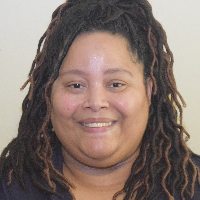
About La
La Chandra Bartholomew-Jones is a Licensed Professional Counselor (LPC) with 11 years of clinical work. She greets people with a straightforward invitation to begin healing and offers steady, practical support. Her approach centers on helping people set and reach goals at their own pace.
She draws on client-centered methods to make sessions focused on the person's needs and preferences. That means conversations are guided by what the client wants to work on, not a fixed agenda.
Background and approach
Cognitive Behavioral Therapy, or CBT, is used to help identify unhelpful thoughts and try different ways of coping. La Chandra's background includes graduate degrees in counseling and a long history working with concerns such as stress, anxiety, depression, addictions, grief, and trauma and abuse. She also helps people facing issues tied to relationships, intimacy, parenting, work stress, and life transitions.
Additional focuses listed include codependency, divorce and separation, domestic violence, and patterns around substance use. Sessions aim to be practical and goal-oriented. Clients can expect straightforward conversation, skill practice, and steps to try between meetings.
The emphasis is on small, achievable changes and building tools that fit daily life. La Chandra practices in Georgia and works in English. She offers multiple online formats to fit different needs, and she helps people figure out which approach will best match their goals and circumstances.
How client-centered care and CBT work online
Client-Centered Therapy emphasizes listening and following the client's lead. Online sessions using this approach focus on what the client wants to address, helping them set goals and choose the pace of work.Cognitive Behavioral Therapy (CBT) looks at patterns of thought and behavior and tests small changes. In remote sessions CBT can help with anxiety, depression, stress, and coping with addictions by practicing skills and planning experiments between meetings.
Finding the right approach is part of the work. The therapist collaborates with each person to decide whether a client-centered path, CBT, or a mix will best match their needs, goals, and preferences. That decision can shift over time as progress is made.
Online formats offer practical benefits. Video calls allow face-to-face conversation and visual cues. Phone sessions use less bandwidth and can fit a break at work. Live chat and text-based messaging make short check-ins and step-by-step coaching easier between sessions. Together these options give flexibility to fit therapy into a busy life and different comfort levels for communication.
Questions people ask
What types of concerns does this counselor address?
How would you describe the therapy style here?
What is the therapist's background and experience?
Where is this therapist licensed and located?
Which languages are sessions offered in?
What session formats are available?
How is pricing handled for sessions?
How do I begin working with this therapist?
What this counselor works with
Most often
- Stress, Anxiety
- Addictions
- Relationship issues
Also listed
- Anger management
- Bipolar disorder
- Career difficulties
- Coaching
- Codependency
- Coping with life changes
- Dependent personality
- Depression
- Divorce and separation
- Domestic violence
- Drug and alcohol addiction
- Family conflicts
- Family problems
- Fatherhood issues
- Fertility issues
- Gender dysphoria
- Grief
- Guilt and shame
- HIV / AIDS
- Infidelity
- Intimacy-related issues
- LGBT
- Parenting issues
- Polyamory / non-monogamous relationships
- Self esteem
- Sex addiction
- Sexual assault and abuse
- Sexual dysfunction
- Sexuality
- Trauma and abuse
- Veteran and Armed Forces Issues
- Women's issues
Therapeutic approaches
- Experience
- 11 years
- Licensed
- Georgia
- Languages
- English