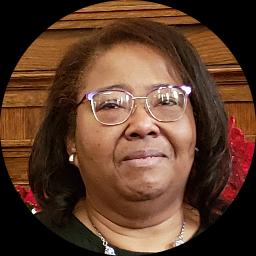
About Katherine
Katherine Simmons is a licensed Professional Clinical Counselor (LPCC) who uses a person-centered approach. She focuses on practical, real-world steps that help people manage anxiety, depression, addiction, trauma, and parenting stress. Her style is warm and respectful while aiming to meet people where they are.
With 20 years of experience, she draws on several approaches to tailor care to each person. She helps clients shift unhelpful thoughts, build motivation, and change behavior through Cognitive Behavioral Therapy.
Background and approach
Mindfulness techniques are used to teach simple ways to calm the body and refocus attention. Katherine treats trauma and substance use with attention to how past experiences shape present reactions. She also supports people facing grief, relationship struggles, sleep problems, and life transitions.
Work on self-esteem, coping skills, and managing anger is often part of ongoing sessions. Her person-centered stance means conversations are guided by the client’s priorities. She shows respect for cultural differences and pays attention to each person’s unique story.
This lets her adapt methods rather than follow a one-size-fits-all plan. Katherine practices in Ohio and offers several online session formats. She invites people to begin with a brief matching process and then schedule sessions that fit their life.
The aim is steady progress through realistic steps and clear goals.
How therapeutic approaches translate to online care
Client-Centered Therapy focuses on listening closely and following the client’s lead. In practice this means sessions start with what matters most to the person and progress at their pace, which helps with issues like low self-esteem, relationship concerns, and coping with change.Cognitive Behavioral Therapy (CBT) helps people notice unhelpful thoughts and try practical behavior changes. It often includes short exercises between sessions and can help with anxiety, depression, sleep problems, and managing anger.
Mindfulness Therapy teaches simple attention and breathing practices to reduce stress and reactivity. These short skills can be used during a hard moment, for chronic stress, or when processing grief.
Finding the right approach is part of the work. The therapist will collaborate with each person to choose or combine methods based on needs, goals, and personal preferences. That teamwork helps make sessions feel relevant and focused.
Online therapy makes it easier to fit care into busy lives. Video calls are useful for in-depth conversation and exercises that need visual cues. Phone sessions can be a good option when bandwidth is limited or a shorter check-in is needed. Live chat and text-based messaging work for brief updates, skill practice, and when written reflection helps. These formats aim to increase flexibility and access while keeping the focus on steady progress.
Questions people ask
What concerns does Katherine commonly address?
What approach does she use in sessions?
How much experience does she have?
Where is she licensed and located?
Which languages are supported for sessions?
Can people outside the United States work with her?
What session formats are available?
How does cost and payment work?
What this counselor works with
Most often
- Addictions
- Trauma and abuse
- Parenting issues
Also listed
- ADHD
- Aging and geriatric issues
- Anger management
- Attachment issues
- Bipolar disorder
- Blended family issues
- Caregiver issues and stress
- Chronic pain, illness, and disability
- Co-morbidity
- Communication problems
- Compassion fatigue
- Coping with life changes
- Depression
- Dissociation
- Drug and alcohol addiction
- Emptiness
- Family conflicts
- Family problems
- Grief
- Guilt and shame
- LGBT
- Midlife crisis
- Multicultural concerns
- Post-traumatic stress
- Prejudice and discrimination
- Relationship issues
- Self esteem
- Self-love
- Sleeping disorders
- Stress, Anxiety
- Young adult issues
Therapeutic approaches
- Experience
- 20 years
- Licensed
- Ohio
- Languages
- English