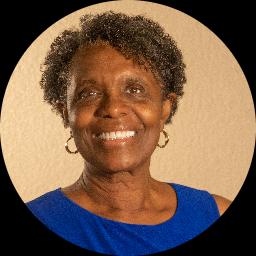
About Jeanetta
Jeanetta Henderson is a Licensed Professional Counselor (LPC) based in Texas who blends relational work with practical strategies. She draws on years of experience to help people handle stress, anxiety, grief, and relationship strain. Her approach is straightforward and focused on real-life changes.
She uses attachment-based ideas to look at how early bonds shape adult responses. Cognitive Behavioral Therapy (CBT) is part of her work when thoughts and behaviors feed problems like depression or anxiety.
Background and approach
She also includes client-centered methods to build trust and make sessions person-focused. Jeanetta has experience supporting people through parenting challenges, blended family issues, caregiver stress, and divorce or separation concerns. She also works with those dealing with trauma, addictions, anger, and self-esteem struggles.
First responder and veteran issues are among the additional areas she addresses. Her background includes study at Dallas Baptist University and a long history of mentoring and running group work such as grief and divorce recovery. That experience informs how she structures sessions and sets goals with people.
She tends to keep directions clear and practical. Sessions typically focus on small, manageable steps. That can mean learning a new way to talk about needs, practicing coping skills, or planning behavior changes.
The aim is steady progress toward more functional relationships and day-to-day coping.
How these approaches translate to online care
Attachment-Based Therapy looks at how early connections shape current relationships. Online sessions can identify patterns of closeness and distance and practice new ways of relating in real time. Cognitive Behavioral Therapy, or CBT, focuses on the link between thoughts, feelings, and actions; it often uses short exercises and practical homework that adapt well to video or text formats.Finding the right approach is part of the work. The therapist will talk with each person about goals and day-to-day needs, then suggest which methods to try. That choice is collaborative and can change as progress unfolds.
Online options include video calls, phone sessions, live chat, and text-based messaging. Video calls let people work face-to-face from different places. Phone sessions use less bandwidth and can fit into a break at work. Live chat and messaging are useful for brief check-ins, ongoing coaching, or when someone prefers written communication. These formats give scheduling flexibility and let people maintain continuity of care across busy lives.
Questions people ask
What concerns does this therapist address?
What is the general therapy style?
How much experience does she have?
What credentials and location apply?
Which languages and international options are supported?
Which session formats are available?
How does payment and cost work?
What are the first steps to begin?
What this counselor works with
Most often
- Relationship issues
- Family conflicts
- Grief
Also listed
- Abandonment
- Addictions
- Aging and geriatric issues
- Anger management
- Attachment issues
- Autism and Asperger Syndrome
- Blended family issues
- Career difficulties
- Caregiver issues and stress
- Coaching
- Compassion fatigue
- Control issues
- Coping with life changes
- Depression
- Divorce and separation
- Family of origin issues
- Family problems
- First responder issues
- Forgiveness
- Guilt and shame
- LGBT
- Midlife crisis
- Multicultural concerns
- Parenting issues
- Personality disorders
- Post-traumatic stress
- Seasonal Affective Disorder (SAD)
- Self esteem
- Sex addiction
- Stress, Anxiety
- Trauma and abuse
- Veteran and Armed Forces Issues
- Women's issues
Therapeutic approaches
- Experience
- 8 years
- Licensed
- Texas
- Languages
- English