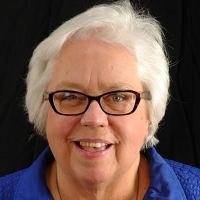
About Jacquelyn
Jacquelyn (Jackie) Burns helps people facing relationship struggles, trauma and abuse, grief, low self-esteem, career strain, stress, anxiety, and addiction. She also works with concerns related to intimacy, eating, parenting, anger, depression, and coping with life changes. Jackie lists LPCC after her name, which stands for Licensed Professional Clinical Counselor, and she brings 17 years of counseling experience.
Jackie keeps sessions straightforward and respectful. She listens first, then helps clients name problems and try practical steps.
Background and approach
Her approach values each person's strengths and capacity to learn from their own life. Clients find that the work focuses on everyday choices and small changes that build over time. Her background blends several therapeutic styles.
Jackie draws on client-centered and psychodynamic ideas to understand patterns from the past. She uses narrative and solution-focused methods to help people rewrite unhelpful stories and set clear, achievable goals. Jungian ideas influence how she looks at meaning and personal symbols when those themes come up.
Jackie emphasizes a calm, nonjudgmental presence in the room. She aims to create space where people can speak honestly and try new ways of relating to themselves and others. Sessions often include talk, reflection, and targeted strategies for coping and decision-making.
People who contact Jackie often want a therapist who blends practical problem-solving with deeper work on identity, attachment, and life purpose. Her style suits those who want both supportive listening and concrete steps toward change.
Therapeutic approaches and online care that fit your life
Client-centered therapy focuses on listening and responding to what matters most to the client. It helps people who need a supportive space to talk, build self-worth, and make decisions about relationships and identity.Solution-focused work zeroes in on small, practical steps and clear goals. This approach is useful when someone wants change they can measure quickly, like managing stress, reducing conflict, or tackling addictive behaviors.
Psychodynamic and narrative ideas help when patterns from the past or the stories we tell ourselves get in the way. These methods look at how past experiences shape present choices and help people rewrite harmful narratives that limit their life purpose and relationships.
Finding the right approach is part of the work. The therapist will partner with each client to decide which methods fit their needs, goals, and preferences. That collaboration can shift over time as priorities change.
Online formats offer real flexibility. Video calls allow face-to-face conversation when tone and expression matter. Phone sessions need less bandwidth and can be easier to fit into a busy day. Live chat or text messaging can provide short check-ins, ongoing coaching, or quick support between sessions. These options make it easier to keep therapy consistent around work, caregiving, or travel.
Questions people ask
What concerns can be addressed in sessions?
What is the therapeutic style like?
How much experience does this therapist have?
What credentials and location are listed?
Are sessions offered in other languages or internationally?
Which session formats are available?
How does payment and cost work?
What should I do to begin therapy?
What this counselor works with
Most often
- Relationship issues
- Trauma and abuse
- Grief
Also listed
- Abandonment
- Addictions
- Anger management
- Attachment issues
- Career difficulties
- Caregiver issues and stress
- Coaching
- Codependency
- Commitment issues
- Control issues
- Coping with life changes
- Dependent personality
- Depression
- Eating disorders
- Family conflicts
- Forgiveness
- Guilt and shame
- Intimacy-related issues
- LGBT
- Life purpose
- Parenting issues
- Personality disorders
- Post-traumatic stress
- Prejudice and discrimination
- Self esteem
- Social anxiety and phobia
- Stress, Anxiety
- Women's issues
- Workplace issues
Therapeutic approaches
- Experience
- 17 years
- Licensed
- Ohio
- Languages
- English