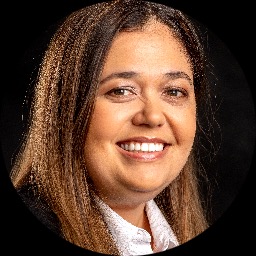
About Helen
Dr. Helen Green-Esterly uses straightforward, evidence-based methods to help people manage stress, anxiety, grief, and trauma. She is an LPCC with 12 years of experience and focuses on practical ways to feel steadier day to day.
Her style is calm and direct, aimed at making therapy feel manageable for busy people. She helps people sort through strong emotions and painful memories. Sessions focus on concrete skills for coping with anxiety, improving sleep, and handling anger.
Background and approach
She also supports people dealing with substance concerns, changes at work, and questions about life purpose. Her approach includes working together to make a plan that fits each person’s needs. Dr.
Green-Esterly listens for what matters most and suggests small, doable steps between sessions. She talks through patterns that keep problems going and offers alternative ways to respond. Her background includes a range of clinical settings over a dozen years.
That experience informs how she tailors strategies for grief, trauma, and compassion fatigue. She pays attention to co-occurring issues like ADHD, obsessive thoughts, and mood disturbances. Sessions can cover practical topics such as communication problems, relationship strain, or end-of-life decision making with hospice teams.
People also come for support with eating and sleep difficulties, panic attacks, and phobias. Dr. Green-Esterly works in English and practices in Ohio.
Evidence-Based Techniques for Remote Care
Dr. Green-Esterly uses evidence-based therapeutic techniques that focus on practical skills and clear steps. One approach emphasizes skill building for anxiety and panic - teaching breathing, grounding, and action plans to handle sudden episodes and reduce avoidance. This helps people regain confidence in daily situations. Another common focus is trauma-informed care that helps people work through painful memories at a pace that feels manageable, while building coping tools to reduce flashbacks and intense reactions.Choosing the right approach is a shared process. The therapist will talk with each person about goals, history, and what methods feel most comfortable. Together they try options, track what helps, and adjust the plan so sessions match real life needs and preferences.
Online sessions use video calls, phone sessions, live chat, or text-based messaging to fit varied schedules. Video sessions allow face-to-face conversation for skills practice and role play. Phone calls can be easier when bandwidth is limited or a shorter check-in is needed. Live chat and text messaging work well for brief updates, homework review, or people who prefer writing. These options aim to make therapy more flexible and easier to fit into daily life.
Questions people ask
What kinds of concerns can I bring to therapy?
What is her therapy style like?
How much clinical experience does she have?
What are her credentials and where is she based?
Which languages are sessions offered in?
Can people outside the United States work with her?
What session formats does she use?
How is cost handled and how do I begin?
What this counselor works with
Most often
- Stress, Anxiety
- Family conflicts
- Trauma and abuse
Also listed
- Addictions
- ADHD
- Anger management
- Career difficulties
- Co-morbidity
- Communication problems
- Compassion fatigue
- Coping with life changes
- Depression
- Disruptive Mood Dysregulation Disorder (DMDD)
- Eating and food-related issues
- Eating disorders
- Grief
- Hospice and end-of-life counseling
- Intellectual disability
- Life purpose
- Obsessions, compulsions, and OCD
- Panic disorder and panic attacks
- Paranoia
- Phobias
- Post-traumatic stress
- Relationship issues
- Seasonal Affective Disorder (SAD)
- Self esteem
- Self-harm
- Sleeping disorders
- Traumatic brain injury
- Veteran and Armed Forces Issues
- Experience
- 12 years
- Licensed
- Ohio
- Languages
- English