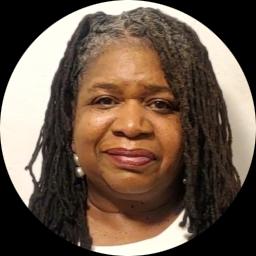
About Gwendolyn
Gwendolyn Young is a licensed professional counselor (LPC) who brings 11 years of experience to her work. She draws on her own life story to connect with people who feel stuck, overwhelmed, or unsure how to move forward. Her tone is direct and compassionate, and she focuses on helping people find practical ways to change their day-to-day life.
She uses a person-centered style that puts the client’s perspective first. That means listening closely, reflecting what she hears, and helping people name what matters most to them.
Background and approach
She also uses cognitive behavioral techniques to spot thinking patterns that keep problems going and DBT skills for managing strong emotions and improving coping. Gwendolyn has a strong background in addiction counseling alongside general mental health work. That experience shapes how she helps people with substance use concerns, mood disorders, and stress-related problems.
She pays attention to how grief, anger, shame, and past hurts affect current choices. Sessions are practical and goal-focused. She will work with a person to set small, achievable steps and then check how those steps felt and what changed.
Communication and problem solving are common topics in her work. She offers services from Virginia and conducts sessions in English. People access her through video calls, phone sessions, live chat, or text-based messaging, using a subscription that can be canceled at any time.
Approach-focused online therapy with practical tools
Gwendolyn often blends client-centered work with cognitive behavioral therapy. Client-centered work means she listens closely, reflects what she hears, and helps people clarify their goals and values. Cognitive behavioral therapy looks at thinking patterns and everyday behaviors and teaches skills to change them, which can help with anxiety, depression, and stress.She also uses dialectical behavior therapy skills when strong emotions make things hard. DBT skills teach emotion regulation, distress tolerance, and improved interpersonal effectiveness for handling conflict and intense feelings. Together these approaches give both acceptance and change-oriented tools to use between sessions.
Finding the right approach is a collaborative process. She will discuss goals, try different strategies, and adjust plans based on what feels helpful. Clients are invited to give feedback so the work fits their needs and preferences.
Online sessions are available by video call, phone, live chat, or text-based messaging to offer flexibility. Video calls allow face-to-face conversations and visual cues. Phone sessions can be useful when bandwidth is limited. Live chat or messaging supports shorter check-ins and ongoing reflection between appointments. These options help people fit therapy into busy lives and keep consistent momentum.
Questions people ask
What concerns does she help with?
What is her therapeutic style like?
How much clinical experience does she have?
What are her credentials and location?
Which languages are sessions offered in?
How are sessions delivered?
What does therapy cost?
How do I get started?
What this counselor works with
Most often
Also listed
- Abandonment
- ADHD
- Anger management
- Antisocial personality
- Attachment issues
- Avoidant personality
- Bipolar disorder
- Body image
- Career difficulties
- Communication problems
- Control issues
- Coping with life changes
- Dependent personality
- Depression
- Dissociation
- Drug and alcohol addiction
- Family conflicts
- Forgiveness
- Guilt and shame
- Intimacy-related issues
- Isolation / loneliness
- Life purpose
- Mood disorders
- Obsessions, compulsions, and OCD
- Panic disorder and panic attacks
- Parenting issues
- Personality disorders
- Post-traumatic stress
- Postpartum depression
- Prejudice and discrimination
- Process addiction (porn, exercise, gambling)
- Relationship issues
- Self esteem
- Self-harm
- Self-love
- Trauma and abuse
Therapeutic approaches
- Experience
- 11 years
- Licensed
- Virginia
- Languages
- English