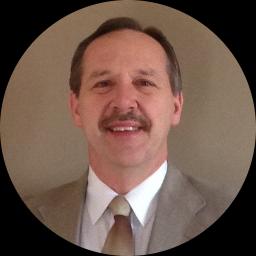
About Gregory
Dr. Gregory Lantz helps people who are feeling overwhelmed by stress, anxiety, depression, relationship strain, or attention difficulties. He is a licensed professional counselor in Michigan with 17 years of experience.
He talks plainly and works to make sessions feel manageable for someone who may be nervous about starting therapy. He uses straightforward methods to address day-to-day problems like trouble concentrating, memory issues, and coping with panic or low mood.
Background and approach
Conversations focus on practical steps you can try between sessions. He also helps people sort through relationship conflict, divorce and separation concerns, and loneliness. Dr.
Lantz draws on approaches such as cognitive behavioral techniques to change unhelpful thoughts and behaviors, dialectical behavior skills to manage intense emotions, and mindfulness to reduce reactivity. He adds solution-focused and motivational strategies to set achievable, short-term goals. This mix lets him tailor sessions to a person's needs and pace.
He describes his role as supportive and empowering. Sessions are designed to match an individual's goals, whether that means reducing panic attacks, improving communication, or working on self-worth and life purpose. He pays attention to issues like abandonment, body image, forgiveness, and prejudice when those topics come up.
People meet with him by video, phone, live chat, or text-based messaging depending on what fits their life. His background includes a master's degree in Professional Counseling and a PhD in Psychology, and he brings that experience into practical, easy-to-use strategies.
Online approaches that focus on skills and goals
Dr. Lantz commonly uses cognitive behavioral methods which involve identifying unhelpful thoughts and testing small behavior changes to lower anxiety or improve mood. He also uses dialectical behavior therapy skills to teach emotion regulation, distress tolerance, and clearer communication for intense moments.Finding the right approach is part of the work. He talks with clients about goals and preferences and then tries methods that fit those aims. That collaborative planning means techniques can be adjusted over time based on what helps most.
Online formats include video calls, phone sessions, live chat, and text-based messaging. Video lets people use visual cues and longer conversations, phone calls can be a simpler option when bandwidth is limited, live chat fits quick check-ins, and text messaging supports brief reflections or prompts between sessions. These options make it easier to fit therapy into work, family life, or a busy schedule while keeping treatment focused on practical progress.
Questions people ask
What concerns does he help with?
What style of therapy should I expect?
How long has he been practicing?
What credentials and location are listed?
Which languages are sessions offered in?
What session formats are available?
How are costs handled?
How do I begin working with him?
What this counselor works with
Most often
- Stress, Anxiety
- Relationship issues
- Family conflicts
Also listed
Therapeutic approaches
- Experience
- 17 years
- Licensed
- Michigan
- Languages
- English