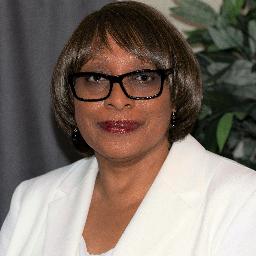
About Faye
Faye Powell is a Licensed Professional Counselor (LPC) practicing in Georgia. She focuses on helping people cope with stress, anxiety, grief, anger, and depression in straightforward, practical ways. She brings eight years of professional experience to sessions.
That background includes work with substance use concerns and challenges that come with aging, chronic illness, or serious medical conditions. She also supports people facing isolation, social anxiety, and struggles with self-worth. Faye uses Cognitive Behavioral Therapy to help people notice unhelpful thoughts and try different behaviors.
Background and approach
She also follows a client-centered approach that keeps conversations grounded in each person's values and priorities. Together she and the client create a plan that fits real life and daily demands. Sessions are conversational and goal-focused.
Faye aims to teach practical tools for managing emotions, building coping skills, and changing patterns that get in the way of feeling better. She explains ideas plainly and checks in to make sure a plan feels doable. She treats each person with sensitivity and respect.
If someone is unsure where to begin, she helps them set small, measurable steps so progress feels achievable. The focus is on steady change, not sudden fixes.
Practical approaches for online therapy and everyday change
Client-Centered Therapy emphasizes the client's own goals and perspective. In sessions the therapist listens carefully, reflects what matters to the person, and adapts pacing and homework to match those priorities. This approach can help when someone wants a supportive space to sort values, decisions, or emotional reactions.Cognitive Behavioral Therapy focuses on spotting thoughts and behaviors that keep problems going. It uses short exercises and experiments that people can try between sessions to reduce anxiety, manage anger, or lift mood. CBT is useful for those who want concrete strategies and measurable progress.
Choosing the right approach is a team effort. The therapist will discuss options, try out methods, and adjust the plan based on how helpful the work feels. That collaborative process helps match techniques to each person's goals and daily routine.
Online therapy makes it easier to fit care into a busy life. Video calls allow face-to-face conversation when a longer session is needed. Phone sessions can be a better fit when bandwidth or camera use is an issue. Live chat and text messaging are useful for quick check-ins, homework support, or brief coaching between longer appointments. These formats give flexibility so therapy can continue around work, caregiving, or medical appointments.
Questions people ask
What concerns does she help with?
What is her therapy style like?
How much clinical experience does she have?
What credentials and region apply?
Which languages are supported?
What session formats are available?
How are costs handled?
How do I begin working with her?
What this counselor works with
Most often
- Stress, Anxiety
- Grief
- Anger management
Also listed
- Aging and geriatric issues
- Cancer
- Depression
- Drug and alcohol addiction
- HIV / AIDS
- Hospice and end-of-life counseling
- Intellectual disability
- Isolation / loneliness
- Self-love
- Social anxiety and phobia
Therapeutic approaches
- Experience
- 8 years
- Licensed
- Georgia
- Languages
- English