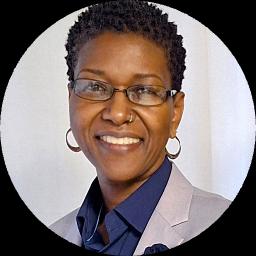
About Erica
Erica R. Brooks is a licensed professional counselor who has worked in Missouri's child welfare and mental health systems since 1994. She brings 29 years of experience helping people who carry the effects of difficult childhoods into adulthood.
Erica focuses on practical support for stress, anxiety, relationships, parenting, grief, trauma, and related concerns. Her early work included residential treatment, outpatient services, and roles with foster care and adoption agencies. That background gave her prolonged, hands-on exposure to children and adolescents who experienced deep harm.
Background and approach
Over time she expanded to offer care to adults seeking better relationships, parenting support, and a greater sense of life satisfaction. Erica describes her approach as individualized and eclectic. She draws on ideas from attachment-based work, cognitive-behavioral techniques, mindfulness, psychodynamic thinking, and client-centered practice.
Sessions look at a person’s history, values, and current needs to create a plan that fits the individual. In the room she aims to build a trusting connection where people can talk honestly. She helps clients identify patterns that come from early experiences and learn practical skills to cope and change those patterns.
This includes communication habits, managing emotions, and addressing difficult memories. Erica welcomes questions about the process and what to expect. She encourages anyone worried about stress, parenting, trauma, or relationship pain to reach out and begin with a short matching step to get started.
How therapeutic approaches translate to online care
Attachment-Based Therapy focuses on how early relationships shape current bonds and trust. Online sessions use conversation and reflective questions to identify attachment patterns and practice new ways of relating in close relationships. Cognitive Behavioral Therapy, or CBT, looks at the link between thoughts, feelings, and behaviors. In remote sessions, CBT breaks problems into small steps, teaches coping and behavior experiments, and uses homework between sessions to make progress. Finding the right approach is part of the work together. The therapist and client review goals, preferences, and what feels most useful, then try methods that match those needs. Adjustments are made over time so the plan stays practical and relevant. Online formats offer a range of practical benefits. Video calls let people use visual cues and full sessions from wherever they are. Phone sessions require less bandwidth and can be easier when a short or focused check-in is needed. Live chat and text-based messaging allow brief updates, paced conversations, or ongoing support when typing fits better into a day. These options make it easier to keep therapy consistent while fitting it around work, school, and caregiving responsibilities.Questions people ask
What kinds of concerns does she address?
How would you describe her therapy style?
How much experience does she have?
Where is the therapist located and licensed?
Can sessions be conducted in other languages or internationally?
What session formats are offered?
How does cost and payment work?
What are the first steps to begin therapy?
What this counselor works with
Most often
- Stress, Anxiety
- Relationship issues
- Trauma and abuse
Also listed
- Abandonment
- Addictions
- ADHD
- Adoption and foster care
- Anger management
- Attachment issues
- Caregiver issues and stress
- Codependency
- Communication problems
- Compassion fatigue
- Coping with life changes
- Dependent personality
- Depression
- Emptiness
- Family conflicts
- Family of origin issues
- Family problems
- Grief
- Guilt and shame
- Infidelity
- Intimacy-related issues
- LGBT
- Life purpose
- Parenting issues
- Post-traumatic stress
- Seasonal Affective Disorder (SAD)
- Self esteem
- Self-love
- Sexual assault and abuse
- Social anxiety and phobia
Therapeutic approaches
- Experience
- 29 years
- Licensed
- Missouri
- Languages
- English