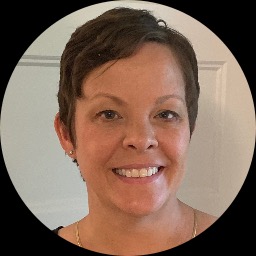
About Elizabeth
Elizabeth Walden uses a client-centered approach to guide people through difficult life moments. She emphasizes listening first and helping each person find their own tools. Elizabeth is a Licensed Professional Counselor - LPC and also holds an LCPC credential.
She brings 12 years of clinical experience to her practice in Kentucky. Elizabeth works with people facing stress, anxiety, mood disorders, and substance concerns. She also helps those coping with grief, trauma, ADHD, and relationship or family problems.
Background and approach
Sessions focus on practical steps and clearer decisions rather than long lectures. Her sessions often blend client-centered listening with cognitive behavioral techniques. That means she helps people spot unhelpful thoughts and test different ways of responding.
She also uses solution-focused ideas to set small, achievable goals and track progress week to week. Elizabeth aims to make sessions feel straightforward and useful. People can expect hands-on strategies for mood management, communication, and relapse prevention when needed.
She also supports career concerns, self-esteem, and challenges tied to women's health and midlife transitions. Her background across counseling settings informs a flexible style that adapts to each person's needs. People who prefer clear plans, practical skills, and a steady, listening presence often find her approach helpful.
Getting started begins with a short matching questionnaire and scheduling a session.
How client-centered care and practical therapy work online
Elizabeth uses client-centered listening to make sessions about each person’s priorities and strengths. That approach focuses on understanding where someone is and building from what already works, which helps with issues like relationship stress, self-esteem, and coping with life changes.She also uses cognitive behavioral therapy to help people notice unhelpful thought patterns and try new responses. CBT is useful for anxiety, mood disorders, OCD-type concerns, and many stress-related problems. Solution-focused techniques are used to set short-term goals and create quick, measurable steps toward improvement; this can help with motivation, addiction recovery tasks, and problem-solving in daily life.
Choosing the right approach is a collaborative process. Elizabeth will talk with each person about goals, preferences, and what feels most useful, then adapt methods over time. Together they monitor progress and adjust the plan when needed.
Online therapy formats include video calls, phone sessions, live chat, and text-based messaging. Video sessions allow face-to-face conversation and visual cues. Phone sessions can be easier when bandwidth is limited or a shorter check-in is needed. Live chat or messaging work well for quick updates, coping reminders, or when typing feels more comfortable. These options make it easier to schedule care around work, family, or health needs while using practical therapeutic methods.
Questions people ask
What concerns does she address?
What is her therapeutic style?
What is her background and experience?
What credentials and location are listed?
Which languages and international options are available?
What session formats are offered?
How does cost and payment work?
How do I begin working with her?
What this counselor works with
Most often
- Stress, Anxiety
- Addictions
- Relationship issues
Also listed
- ADHD
- Bipolar disorder
- Cancer
- Career difficulties
- Coaching
- Codependency
- Communication problems
- Coping with life changes
- Depression
- Drug and alcohol addiction
- Family conflicts
- Family problems
- Grief
- Guilt and shame
- Isolation / loneliness
- Midlife crisis
- Mood disorders
- Obsessions, compulsions, and OCD
- Parenting issues
- Self esteem
- Self-love
- Social anxiety and phobia
- Trauma and abuse
- Women's issues
Therapeutic approaches
- Experience
- 12 years
- Licensed
- Kentucky, Arizona, Nevada
- Languages
- English