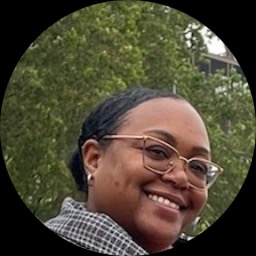
About Elizabeth
Elizabeth Edouard is a Licensed Professional Counselor practicing in Georgia. She brings 12 years of experience helping adults navigate stress, anxiety, depression, relationship concerns, and life transitions. She speaks English and works with people who want practical support for mood, attention, and relationship challenges.
Elizabeth began her career working with older adults who had Alzheimer’s and dementia. She then completed a Master of Arts in Mental Health Counseling at Mercer University and gained experience in school, jail, hospital, and community clinic settings.
Background and approach
These roles exposed her to a wide range of mental health needs and taught her to listen carefully before planning next steps. Her approach centers on the person in front of her. She combines client-centered listening with tools from cognitive behavioral techniques and solution-focused strategies.
Sessions focus on small, achievable changes and clearer ways to handle strong emotions or difficult situations. Elizabeth also uses mindfulness and motivational interviewing to support people working through addiction, grief, trauma, or career stress. She helps people find ways to manage symptoms, build healthy habits, and reconnect with their values.
Goals and methods are set together and adjusted as progress is made. Practical concerns are part of the work. She addresses communication problems, attachment and commitment worries, intimacy-related issues, and feelings of isolation or low self-worth.
The aim is steady, realistic progress that fits each person's life and schedule.
Approach and options for online counseling
Client-centered therapy puts the person's perspective first and focuses on listening, reflecting, and building a trusting relationship. It helps when someone needs a calm space to talk through feelings, confusion about relationships, or questions about identity and purpose.Cognitive Behavioral Therapy, or CBT, breaks problems into thoughts, feelings, and actions. It teaches simple tools to challenge unhelpful thinking and to build new habits, which can ease anxiety, depression, and anger. Mindfulness therapy helps people notice their thoughts and bodily reactions without getting swept away, which can reduce reactivity and improve focus.
Deciding which approach to use is a collaborative process. The therapist will discuss goals, try different techniques, and adjust methods based on what feels most useful. That collaboration helps tailor sessions to each person's needs and preferences rather than following a fixed plan.
Online sessions are offered by video calls, phone sessions, live chat, or text-based messaging to make therapy fit into busy lives. Video works well for in-depth conversation and reading nonverbal cues. Phone sessions can be easier when bandwidth is limited or for a shorter check-in. Live chat and messaging are useful for quick reflections, ongoing support, and when writing feels more comfortable. These options make it easier to keep regular sessions and to practice new skills between meetings.
Questions people ask
What kinds of concerns does she help with?
What is her therapy style like?
How long has she been practicing?
Where is she licensed and based?
Which languages are sessions offered in?
What session formats are available?
How is cost handled for sessions?
What are the first steps to begin?
What this counselor works with
Most often
- Stress, Anxiety
- Relationship issues
- Self esteem
Also listed
- Addictions
- ADHD
- Anger management
- Attachment issues
- Bipolar disorder
- Career difficulties
- Commitment issues
- Communication problems
- Compassion fatigue
- Coping with life changes
- Depression
- Family conflicts
- Family problems
- Forgiveness
- Grief
- Infidelity
- Intimacy-related issues
- Isolation / loneliness
- Life purpose
- Self-love
- Trauma and abuse
- Young adult issues
Therapeutic approaches
- Experience
- 12 years
- Licensed
- Georgia
- Languages
- English