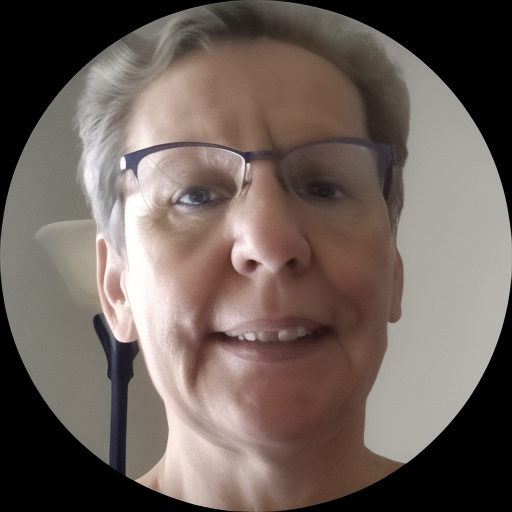
About Doris
Doris Dimaya is a Licensed Professional Counselor (LPC) who helps people facing stress, anxiety, grief, depression, and major life changes. She focuses on building resilience and finding meaning during difficult times. Her approach is collaborative and grounded in practical steps that clients can use between sessions.
She has four years of clinical experience and works with adults dealing with caregiver stress, aging and geriatric concerns, and hospice or end-of-life issues.
Background and approach
Doris also supports people coping with codependency, family-of-origin wounds, and feelings of emptiness or guilt. She addresses social anxiety, post-traumatic stress, and compassion fatigue with a steady, patient style. In sessions she creates a warm, straightforward space for people to talk through painful emotions.
Conversations focus on identifying goals, testing small changes, and building daily habits that reduce overwhelm. She uses evidence-based therapeutic techniques and tailors them to each person’s situation rather than a one-size-fits-all plan. Doris welcomes clients who want to reclaim a sense of purpose or navigate midlife transitions.
She also works with caregivers and those facing grief or hospice-related concerns. Her aim is to help people rediscover self-love and practical ways to cope when life feels heavy. Clients can expect clear steps, collaborative planning, and attention to the realities of everyday life.
Doris balances empathy with action so people leave sessions with something concrete to try before the next meeting.
How evidence-based approaches meet online convenience
Doris uses evidence-based therapeutic techniques that focus on real-world coping skills and emotional processing. One approach centers on practical problem solving and behavioral change to reduce stress and anxiety; it helps people try small, measurable steps that improve daily functioning. Another approach emphasizes processing grief and trauma through paced conversations and supportive strategies to help people tolerate strong emotions and move forward.Choosing the right approach is a collaborative process. The therapist will talk with each person about their goals, symptoms, and preferences, then adapt methods over time. This collaborative planning means techniques can be adjusted as progress is made or life circumstances change.
Online sessions are offered as video calls, phone sessions, live chat, or text-based messaging to fit different needs. Video calls allow face-to-face interaction for deeper conversation, while phone sessions can be easier when bandwidth is limited. Live chat and text messaging work well for brief check-ins, ongoing support, or when someone prefers typing to speaking. These formats make it easier to fit therapy into work breaks, caregiver schedules, or distance from a clinician.
Questions people ask
What kinds of concerns does this therapist address?
What is the therapy style like?
How much clinical experience does she have?
What credentials and location are on record?
In what language are sessions offered?
Which session formats are available?
How does billing and cost work?
What are the first steps to begin therapy?
What this counselor works with
Most often
Also listed
- Experience
- 4 years
- Licensed
- Missouri
- Languages
- English