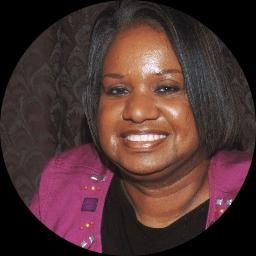
About Denise
Denise Black Winston uses a client-centered approach to guide people through stress, anxiety, depression, grief, and life changes. She is a Licensed Professional Counselor (LPC) in Georgia and focuses on helping individuals build self-esteem, cope with addiction, and navigate family-related concerns. Her style is direct and practical, aimed at making everyday life feel more manageable.
Before becoming an LPC, she spent many years in child welfare and social work across several states.
Background and approach
That background shaped her attention to family systems, adoption and foster care issues, and caregiver stress. She draws on that experience when someone brings family problems or the legacy of past care into sessions. Denise blends Client-Centered Therapy with Cognitive Behavioral Therapy (CBT) and Solution-Focused Therapy.
She listens first, then helps people notice patterns of thought and behavior that get in the way. Together they set small, measurable goals and try concrete strategies between sessions. Sessions aim to be straightforward and focused on real-life change.
Denise offers tools for coping with drug and alcohol addiction, codependency, social anxiety, and isolation. She helps young adults and other clients build self-love and day-to-day coping skills. Her approach emphasizes collaboration and practical steps rather than lengthy theory.
Conversations are paced to match each person’s needs, and progress is tracked through achievable goals. Denise works in English and practices from Georgia as an LPC.
How therapeutic approaches work online
Client-Centered Therapy focuses on listening and understanding each person’s experience. The therapist offers acceptance and reflects what she hears so people can make decisions that fit their values and goals. This approach helps when someone needs emotional support, wants to build confidence, or is managing grief.Cognitive Behavioral Therapy, or CBT, looks at how thoughts influence feelings and actions. The therapist helps identify unhelpful thinking patterns and practices small behavior changes. CBT is useful for anxiety, depression, social phobia, and managing stress in daily life.
Finding the right approach is a shared process. The therapist will ask about goals, priorities, and what has or hasn’t worked in the past. Together they choose or combine methods and adjust the plan as progress is made so sessions stay practical and focused on what matters most.
Online formats include video calls, phone sessions, live chat, and text-based messaging. Video calls allow face-to-face conversation and visual cues. Phone sessions can fit into a work break or be easier when bandwidth is limited. Live chat and messaging are useful for short check-ins, accountability, or when someone prefers typing to talking. These options offer flexibility to fit therapy into real life while using the therapist’s chosen approaches.
Questions people ask
What concerns does this therapist address?
What is her therapeutic style?
How much experience does she have?
Where is the therapist based and what are her credentials?
Can people outside the U.S. work with her?
Which session formats are available?
How are sessions paid for and what does it cost?
What steps are involved in starting therapy?
What this counselor works with
Most often
- Stress, Anxiety
- Family conflicts
- Self esteem
Also listed
- Addictions
- Adoption and foster care
- Caregiver issues and stress
- Codependency
- Coping with life changes
- Depression
- Drug and alcohol addiction
- Family problems
- Grief
- HIV / AIDS
- Isolation / loneliness
- Self-love
- Social anxiety and phobia
- Young adult issues
Therapeutic approaches
- Experience
- 9 years
- Licensed
- Georgia
- Languages
- English