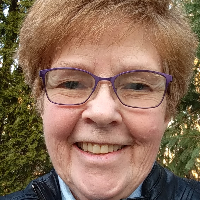
About Debra
Debra Schwarze is a licensed counselor with long experience helping people manage stress, anxiety, grief, depression, and major life changes. She works with people facing caregiver strain, cancer-related concerns, relationship trouble, sleep problems, ADHD, mood disorders, and struggles with purpose or isolation. She uses a warm, straightforward style.
Sessions focus on clear goals and practical steps. She listens first, then helps people find ways to cope and make changes that fit their life.
Background and approach
Debra draws on client-centered methods and cognitive behavioral approaches to identify unhelpful thoughts and build new skills. She also uses Eye Movement Desensitization and Reprocessing when trauma memories are getting in the way. Mindfulness practices are offered to reduce stress and improve focus.
Her background includes three decades in mental health settings such as community mental health, schools, faith-based services, health systems, and independent practice. She holds a master’s degree in counseling and a master’s in art therapy, and is licensed in Illinois and Wisconsin as LCPC and LPC.
In sessions she sometimes uses art-making to help people express things that are hard to put into words. Debra aims to create a comfortable space where clients can be honest, set realistic goals, and take steady steps toward better daily functioning.
How her approaches fit online therapy
Debra commonly uses client-centered work and cognitive behavioral therapy online. Client-centered therapy focuses on listening, understanding your concerns, and helping you set goals at your own pace; it helps when people need a calm space to talk through emotions. Cognitive behavioral therapy looks at thoughts and behaviors and teaches concrete skills to reduce anxiety, manage mood, and improve sleep.She also offers Eye Movement Desensitization and Reprocessing for people whose trauma memories continue to cause distress. EMDR uses guided attention techniques to help lessen the intensity of troubling memories and can be adapted to remote sessions when appropriate.
Choosing the right approach is part of the work together. The therapist will discuss needs, goals, and preferences and then try methods that fit the person. That collaboration helps tailor the plan and adjust methods as progress is made.
Online formats include video calls, phone sessions, live chat, and text-based messaging. Video lets people read facial cues and have fuller conversations. Phone sessions use less bandwidth and can fit a break at work. Live chat and messaging are useful for brief check-ins, journaling between sessions, or when typing feels easier than speaking. These options make therapy more flexible and easier to fit into busy lives.
Questions people ask
What concerns does she address?
How would you describe her therapeutic style?
What experience does she bring?
What are her credentials and where is she based?
Which languages are sessions offered in?
What session formats are available?
How are sessions paid for?
How do I begin working with her?
What this counselor works with
Most often
Also listed
- ADHD
- Bipolar disorder
- Cancer
- Career difficulties
- Caregiver issues and stress
- Coaching
- Compassion fatigue
- Coping with life changes
- Divorce and separation
- Emptiness
- Family conflicts
- Forgiveness
- Hospice and end-of-life counseling
- Infidelity
- Isolation / loneliness
- Life purpose
- Mood disorders
- Obsessions, compulsions, and OCD
- Panic disorder and panic attacks
- Relationship issues
- Self esteem
- Sleeping disorders
- Trauma and abuse
- Women's issues
Therapeutic approaches
- Experience
- 30 years
- Licensed
- Illinois, Wisconsin
- Languages
- English