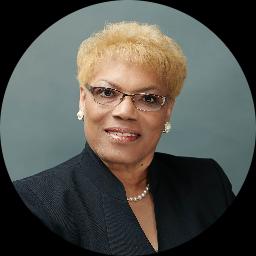
About Deborah
Dr. Deborah Mosley-Heath helps people cope with stress, anxiety, relationship pain, family conflict, trauma, and depression. She also supports people facing grief, parenting strain, intimacy concerns, ADHD, and compassion fatigue.
Her name appears up front so readers know who leads the work. She keeps sessions focused and practical. Conversations are tailored to each person's needs and goals.
The tone is respectful, direct, and warm. She uses tools that help people notice patterns and try small changes between sessions.
Background and approach
Dr. Mosley-Heath draws from approaches that look at thoughts, behaviors, and deeper personal history. She combines short-term skill teaching with attention to life stories that shape current problems.
This mix is used when managing panic, mood shifts, or trauma symptoms. Her background includes many years of clinical practice. She brings 25 years of experience and holds MD, LCPC, and LPC credentials.
Her work in Maryland reflects a long history of helping people with common and complex concerns. Sessions can include talking, skill practice, and planning small experiments to test new ways of coping. She helps people weigh options and pick strategies that fit their daily life.
The focus is on steady progress and clearer direction. For someone nervous about starting therapy, she aims to make the first steps simple and supportive. The initial conversations focus on what matters most now and what realistic next steps look like.
Therapeutic approaches and online care
CBT, or Cognitive Behavioral Therapy, focuses on identifying unhelpful thoughts and testing new behaviors. It is useful for anxiety, panic, depression, and managing day-to-day stress by giving clear tools to practice between sessions.Psychodynamic Therapy looks at patterns from a person’s past and how they show up now. It helps when someone wants to understand deeper emotional patterns, relationship repeats, or long-standing sources of shame and guilt.
Choosing the right approach is a collaborative process. The therapist will listen to current needs, goals, and preferences and then suggest a way forward. Clients are invited to give feedback so the plan can be adjusted over time to fit what actually helps.
Online therapy offers flexible ways to work together. Video calls let people use visual connection for a full session. Phone sessions are useful when bandwidth is limited or when a shorter check-in is needed. Live chat and text-based messaging allow quick check-ins, note-taking, and ongoing support between scheduled sessions. These options make it easier to fit therapy into a busy life while keeping consistent contact with a licensed professional.
Questions people ask
What kinds of problems does she address?
What is her therapeutic style like?
How long has she been practicing?
Where is she based and what credentials are held?
Which languages are supported for sessions?
Are international clients seen?
What session formats are available?
How do I begin working with her?
What this counselor works with
Most often
- Stress, Anxiety
- Relationship issues
- Family conflicts
Also listed
- ADHD
- Anger management
- Bipolar disorder
- Caregiver issues and stress
- Communication problems
- Compassion fatigue
- Coping with life changes
- Depression
- Forgiveness
- Grief
- Guilt and shame
- Intimacy-related issues
- LGBT
- Life purpose
- Midlife crisis
- Panic disorder and panic attacks
- Parenting issues
- Post-traumatic stress
- Pregnancy and childbirth
- Self esteem
- Self-love
- Trauma and abuse
- Women's issues
Therapeutic approaches
- Experience
- 25 years
- Licensed
- Maryland, District of Columbia, Virginia
- Languages
- English