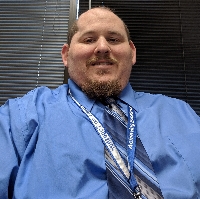
About David
David Rawlins is a Licensed Professional Counselor who brings 12 years of clinical experience to his work in Michigan. He focuses on building a calm, non-threatening space where people can talk through depression, anxiety, trauma, career challenges, and related concerns. David speaks plainly and aims to make the first conversations feel manageable for someone who may be nervous about seeking help.
He favors a collaborative, client-centered style that lets each person set the pace.
Background and approach
That means listening first, then offering tools from cognitive behavioral therapy and dialectical behavior therapy when they fit the situation. Mindfulness techniques and motivational interviewing also appear in sessions to help people notice patterns and find practical next steps. David has worked in community mental health settings, taught counseling students, supervised other counselors, and maintained a independent practice in Michigan.
Those roles shaped his focus on skill-building for coping with stress, trauma, mood changes, and substance concerns. He uses straightforward language to explain options and to practice new strategies during sessions. Common topics he addresses include stress, sleep and eating issues, relationship and intimacy concerns, self-esteem, anger, and addiction-related problems.
He also supports people facing seasonal mood changes, personality-related struggles, and challenges tied to life transitions such as divorce or career shifts. Sessions are offered in English and can be scheduled online in several formats. To begin, a short matching questionnaire helps connect someone to scheduling that suits their needs.
How core approaches shape online care
Client-centered therapy focuses on listening and responding to each person's concerns. It creates space for people to set goals and work at their own pace, which can be helpful for anxiety, depression, and relationship or career challenges.Cognitive behavioral therapy, or CBT, looks at how thoughts, feelings, and actions connect. It breaks problems into actionable steps and teaches skills to change unhelpful patterns, useful for panic, low mood, sleep problems, and some addictive behaviors.
Dialectical behavior therapy, or DBT, adds skills for emotional regulation, distress tolerance, and clearer communication. These tools are often used when strong emotions make day-to-day functioning harder.
Choosing the right approach is a team effort. The therapist will listen to your goals and preferences, try techniques that seem to fit, and adjust over time based on what helps. That collaborative process helps identify which mix of methods works best for your situation.
Online therapy offers flexibility through video calls, phone sessions, live chat, or text-based messaging. Video allows face-to-face interaction, phone can be easier when bandwidth is limited, live chat supports quick check-ins, and text messaging lets people send shorter updates between sessions. These options make it simpler to fit therapy into a busy schedule and continue steady work on goals.
Questions people ask
What kinds of problems does he help with?
How would you describe his therapeutic style?
What is his background and experience?
Where is he based and what credential does he hold?
Can sessions be conducted in other languages or for international clients?
What session formats are available?
How are sessions paid for and what do they cost?
How do I begin working with him?
What this counselor works with
Most often
- Stress, Anxiety
- Trauma and abuse
- Career difficulties
Also listed
- Addictions
- Anger management
- Antisocial personality
- Bipolar disorder
- Body image
- Depression
- Disruptive Mood Dysregulation Disorder (DMDD)
- Divorce and separation
- Drug and alcohol addiction
- Eating disorders
- Family conflicts
- First responder issues
- Intimacy-related issues
- LGBT
- Parenting issues
- Personality disorders
- Relationship issues
- Seasonal Affective Disorder (SAD)
- Self esteem
- Self-harm
- Sex addiction
- Sleeping disorders
- Trichotillomania
- Veteran and Armed Forces Issues
- Young adult issues
Therapeutic approaches
- Experience
- 12 years
- Licensed
- Michigan
- Languages
- English