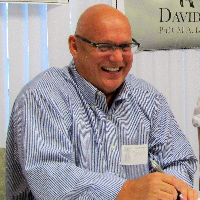
About David
David Gibbs is a counselor who focuses on helping people who feel stuck, overwhelmed, or burned out. He works with people dealing with stress, anxiety, addiction, depression, grief, and struggles with relationships and intimacy. David brings a calm, straightforward style and aims to make therapy practical and doable for busy lives.
He has twenty years of counseling experience and holds the credentials LMHC and LPCC, which reflect licensure in Florida and Ohio.
Background and approach
Early work in crisis stabilization and substance abuse shaped his approach to co-occurring concerns. He has also written a book called Humbug to Happiness that grew from his belief people deserve a happier life. In sessions David uses a mix of present-focused skills and longer-term work.
He draws from cognitive behavioral approaches to help change thinking patterns and from acceptance-based methods to reduce struggle with difficult feelings. He also uses techniques for trauma and emotional regulation when needed. His background includes work in home-based crisis stabilization, nonprofit and personal settings, and independent practice.
He has presented on mental health and substance use topics at local and national conferences, bringing a practical perspective to community issues. Clients can expect a collaborative process that balances concrete tools with space to talk through painful experiences. David aims to tailor the work to each person’s goals, whether that means short-term skill building or deeper exploration over time.
How evidence-based approaches work online
Acceptance and Commitment Therapy (ACT) focuses on noticing thoughts and feelings without getting tangled in them, then choosing actions that match personal values; it can help with anxiety, depression, and life transitions. Cognitive Behavioral Therapy (CBT) targets unhelpful thinking and reinforces new behaviors through practice and feedback, which is useful for anxiety, depression, and insomnia. Eye Movement Desensitization and Reprocessing (EMDR) is a trauma-focused method that uses guided processing to reduce the hold of painful memories and related reactions.Finding the right approach is part of the work. The therapist will talk with each person about goals, symptoms, and preferences, then recommend methods to try together. That shared decision-making lets the plan shift if something isn’t helping and keeps the focus on what the client wants to accomplish.
Online therapy offers flexible ways to meet that fit busy routines. Video calls allow face-to-face conversations and skill practice. Phone sessions can be a simpler option when bandwidth is limited. Live chat and text-based messaging support shorter check-ins, journaling between sessions, or extra support without scheduling a full call. These options make it easier to keep therapy consistent and woven into daily life.
Questions people ask
What concerns does David commonly help with?
What is his therapy style like?
How long has he worked in counseling?
Where is he licensed and based?
What languages are offered for sessions?
What session formats does he use?
How are fees and payments handled?
How do I begin working with him?
What this counselor works with
Most often
- Stress, Anxiety
- Addictions
- Relationship issues
Also listed
- Abandonment
- ADHD
- Anger management
- Attachment issues
- Bipolar disorder
- Career difficulties
- Coaching
- Codependency
- Commitment issues
- Compassion fatigue
- Coping with life changes
- Depression
- Drug and alcohol addiction
- Emptiness
- Family conflicts
- Family problems
- Forgiveness
- Grief
- Guilt and shame
- Intimacy-related issues
- Jealousy
- LGBT
- Life purpose
- Parenting issues
- Self esteem
- Self-love
- Sleeping disorders
- Social anxiety and phobia
- Trauma and abuse
Therapeutic approaches
- Experience
- 20 years
- Licensed
- Florida, Ohio
- Languages
- English