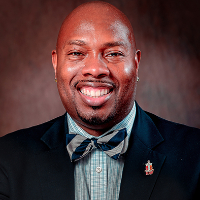
About David
Dr. David Ford uses a person-centered approach that keeps the client at the center of each session. He offers direct, practical help for stress, anxiety, depression, addictions, career concerns, and issues around self-esteem and sexuality.
Dr. Ford practices as an LPC and holds the LCMHC credential, and he works with people facing LGBT-related concerns including gender dysphoria and questions of sexual and gender identity. He focuses on listening first and then helping people name the next steps.
Background and approach
Sessions often include straightforward cognitive and motivational strategies to change unhelpful thought patterns and strengthen motivation for change. Those dealing with drug and alcohol addiction or HIV/AIDS concerns can expect practical planning alongside empathic conversation. Dr.
Ford has three years of clinical experience and uses Client-Centered Therapy, Cognitive Behavioral Therapy (CBT), and Motivational Interviewing in flexible combinations. He pays attention to how prejudice, discrimination, and multicultural issues affect mood and identity. That means talking about real-world pressures and how they shape choices.
People who feel stuck by guilt, shame, or low self-worth will find focused work on self-love and rebuilding confidence. Career and workplace concerns are approached with goal-setting and skills-building so clients can make clearer professional decisions. Sessions are offered in English and Dr.
Ford accepts international clients. He practices from New Jersey and works with people who want practical tools as well as a listening ear.
Applying Client-Centered Care and CBT Online
Dr. Ford uses Client-Centered Therapy to make conversations feel collaborative and respectful, focusing on what matters most to the person in front of him. That approach helps people feel heard and decide what changes they want to make.Cognitive Behavioral Therapy (CBT) is used to identify unhelpful thoughts and try different behaviors in everyday life. CBT is practical and problem-focused, which suits concerns like anxiety, depression, and workplace stress. Motivational Interviewing is also part of his work and helps people clarify their reasons to change and build small steps toward goals.
Finding the right approach is part of the work together. He will talk with each person about their goals and preferences and then choose techniques that fit. This collaborative planning means strategies can change as needs evolve.
Online sessions are offered by video calls, phone sessions, live chat, or text-based messaging to make care flexible. Video calls support deeper conversation and visual cues. Phone sessions can be easier when bandwidth is limited. Live chat and text work well for quick check-ins, brief coaching, or when someone prefers written communication. These options help people fit therapy into busy schedules and different time zones.
Questions people ask
What kinds of concerns can be addressed?
What is his therapeutic style like?
How much clinical experience does he have?
What credentials and region are listed?
Can sessions be conducted in languages other than English?
Are international clients supported?
What session formats are available?
How does payment and scheduling work?
What this counselor works with
Most often
Also listed
- Career difficulties
- Depression
- Drug and alcohol addiction
- Gender dysphoria
- Guilt and shame
- HIV / AIDS
- Life purpose
- Multicultural concerns
- Prejudice and discrimination
- Self esteem
- Self-love
- Sexuality
- Workplace issues
Therapeutic approaches
- Experience
- 3 years
- Licensed
- North Carolina, Virginia, New Jersey
- Languages
- English